B.Sc.
Academic foundation
Psychology · University of L'Aquila
My first formal study of the mind gave language to the curiosity that has guided everything since.
Menu — bottom of the screen. Touch an icon to explore.
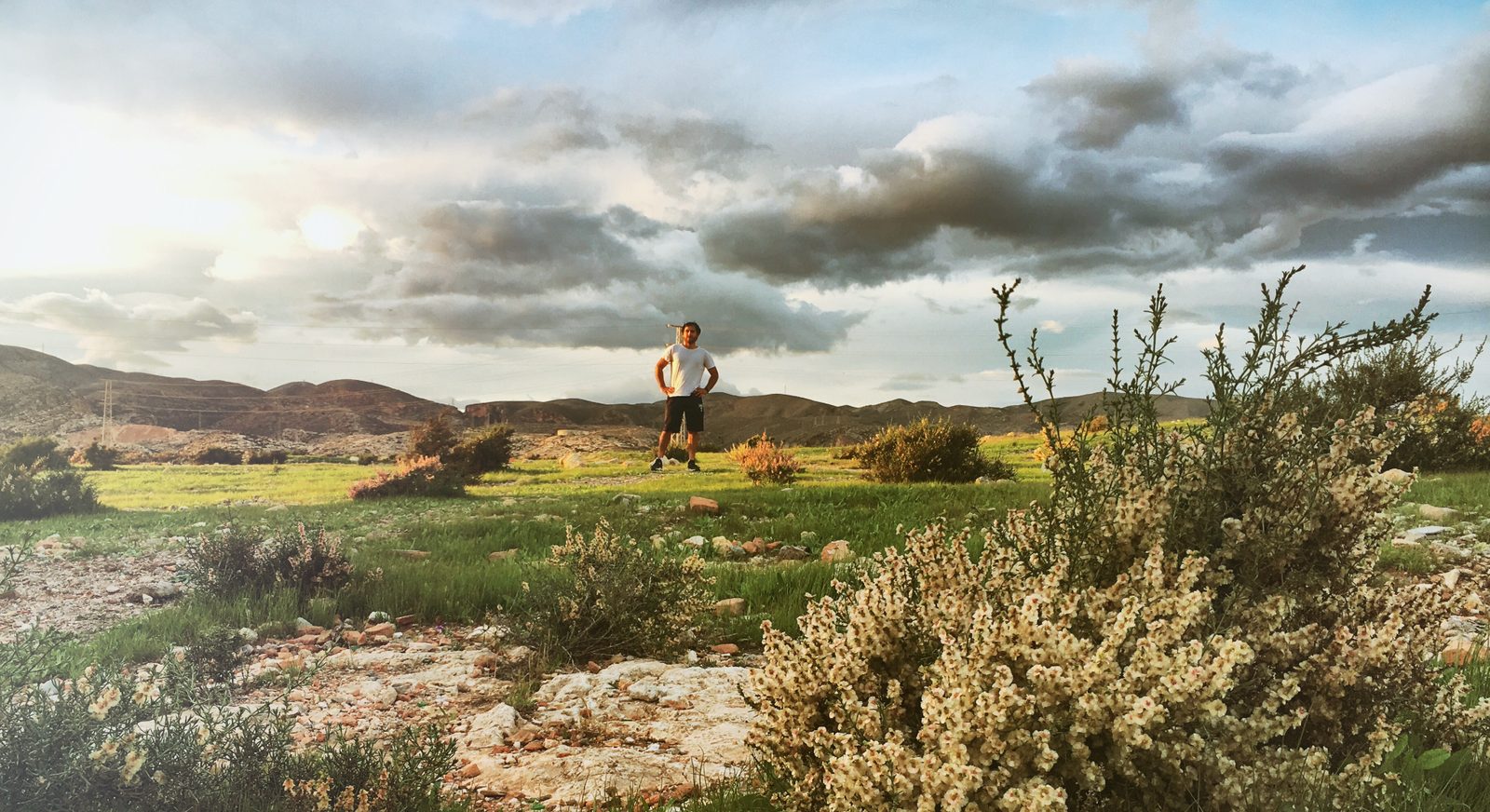
Stefano Massa — one person, many ways of paying attention
From curiosity to calling — how I found my purpose in the soil
I found my spark in New York, in 2013. I had just completed my bachelor's degree in psychology at the University of L'Aquila and was living in the city when a question began to take hold: what if every public green space — every park, every median strip, every forgotten corner of a city — were edible? People could save money. Streets would become more interactive, more alive. I started to see it as a living sculpture — a three-dimensional canvas where everyone participates, where food grows from the ground and the ground teaches us something about being human. It was never just about plants. It was about redesigning the world we walk through every day, making it something we all share, all shape, all tend. That question never left me.
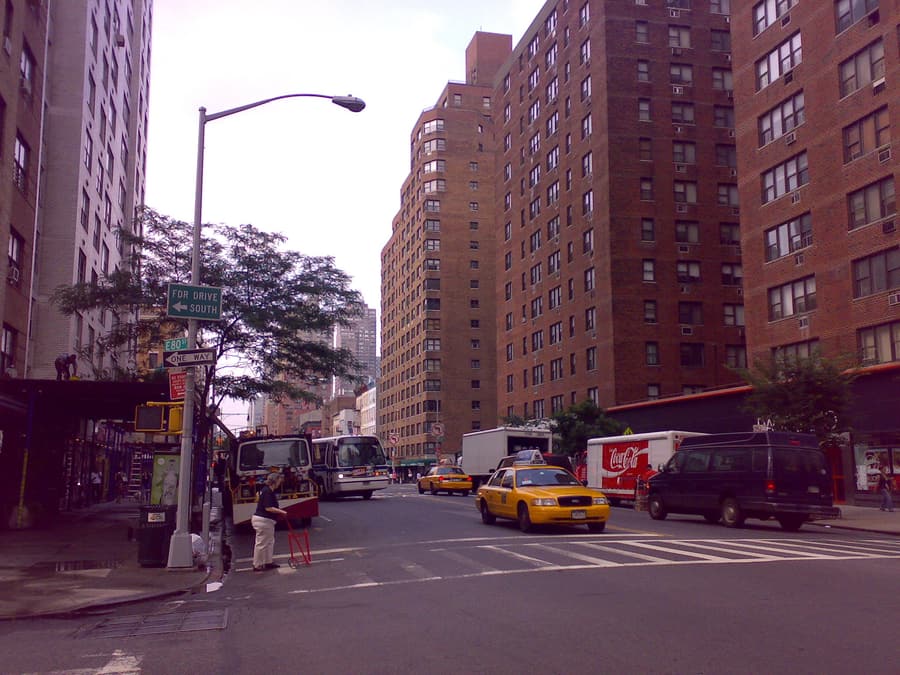
New York, 2013 — where the question took hold
Two years later, in 2015, a close friend offered me the keys to a piece of land in Nemi — a quiet hillside town south of Rome. It was the chance to put the New York vision to the test: to build a real food forest from the ground up. I layered the soil, planted in companionships, and watched the land respond. The results were genuinely good. The system worked, the plants thrived, and for a while everything felt possible. Then it all fell apart. Without funding, I couldn't sustain it. One night, someone broke in and took everything — the animals, the solar panels, even the animal food. I stood in the empty field and didn't know what to do next. But the idea had already taken root deeper than any plant.
La foresta commestibile — the idea that took root in Nemi, 2015
Illustration by La Foresta Commestibile
Before my first attempt, I did my homework. Masanobu Fukuoka taught me that a farm can be an act of listening — do as little as possible, and let nature carry the rest. Bill Mollison gave me the design language of permaculture: how to read a landscape and place every element so that it feeds the others. Geoff Lawton provided the proof at scale — degraded land brought back to abundance within a handful of seasons. By the time I broke my first ground, the knowledge already lived in my hands; the soil only had to confirm it.
I was working for a German company then, and somewhere between the workdays a larger question took hold of me and would not let go. It seemed a life could be spent three ways: you can work for a company, you can work for yourself, or you can work for a community. The first two paths come with maps. The third was unexplored territory — and beneath it waited an even bolder idea: a community that works for itself. A circle of people who grow their own food, tend their own ground, and need no permission to flourish.
I carried those thoughts everywhere — on the commute, at the desk, late into the evening. The more I turned them over, the clearer the answer became: the unexplored path was the only one worth walking. So I stepped off the settled road and started building — not a garden for myself, but a forest for everyone.
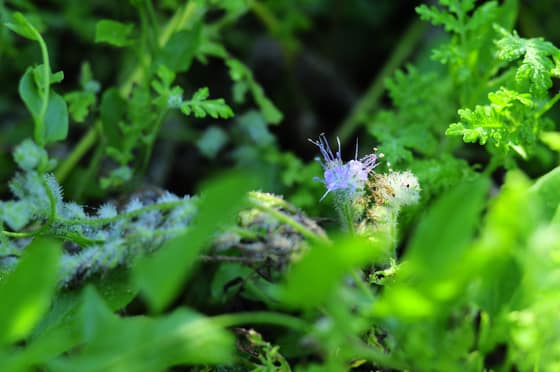
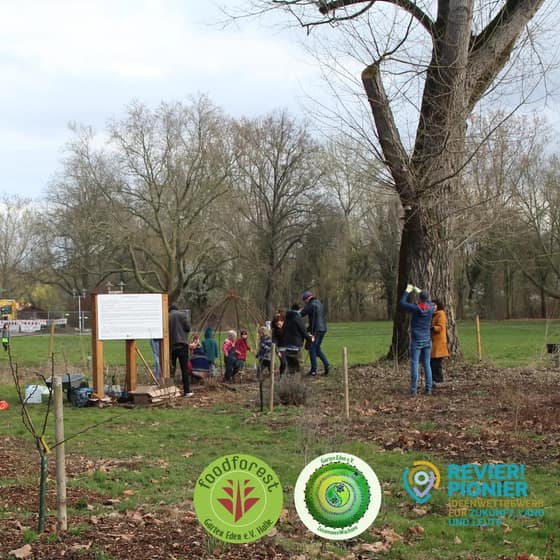
Our public food forest in Peißnitz Park, Halle (Saale)
In 2016, I moved to Germany with nothing but a dream: to do it all over again, but bigger. Within a couple of weeks in Halle (Saale), an opportunity appeared — a chance to present my work and my vision for what food foresting could become in a city. I arrived with slides and soil still under my fingernails. The Freiraumgalerie — a collective that fills empty spaces with art and life — saw something worth backing, and so did the Montag Stiftung, a foundation that believes public space should be shaped by the people who use it. With their support, what had been a broken field in Italy became a real project in a German city.
Meanwhile, another path was unfolding. While the garden grew, I was studying for my master's degree in forensic psychology in Rome — learning how the mind processes trauma, guilt, and the stories we tell ourselves about who we are. I was already building the project on Landsberger Strasse in Halle, so I kept flying back and forth to complete the degree. In 2018, I opened my private practice for the first time. In 2019, I trained in EMDR psychotherapy, again travelling by plane because I was living in Germany but wanted to study in my own language. The more I worked with people, the more I saw what I had always seen in the garden: growth takes time, healing is not linear, and everything is connected. I am now completing an M.Sc. in neuroscience with the International University UNINETTUNO, followed by an M.Sc. in clinical neuropsychology with the University of Chieti, expected on 27 December 2026. The food forest and the psychology practice are not separate lives. They are two roots of the same tree.
Running a charity also taught me the discipline of running an organization — budgets, volunteers, deadlines. So I kept studying: three Mini MBAs, a SAFe Scrum Master certification, and project management. In 2026, my wife and I bought an abandoned borgata in the heart of Val Chisone. This time the dream is becoming a business rather than a charity: a place to restore, welcome people, and build something lasting with the land.
Diplomas in miniature — click one to read it up close.
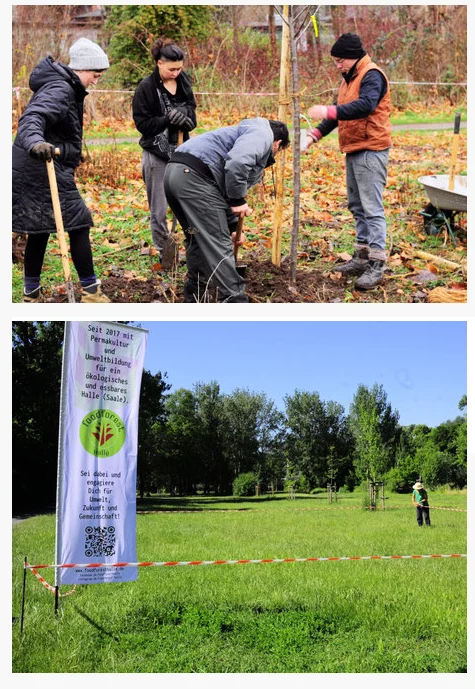
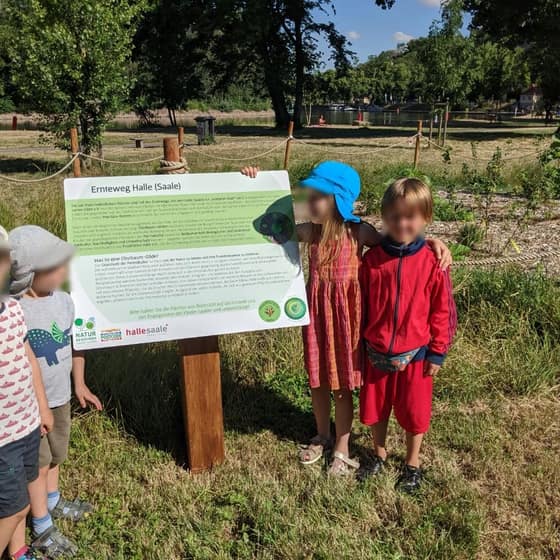
Food forest in Halle — Ernteweg
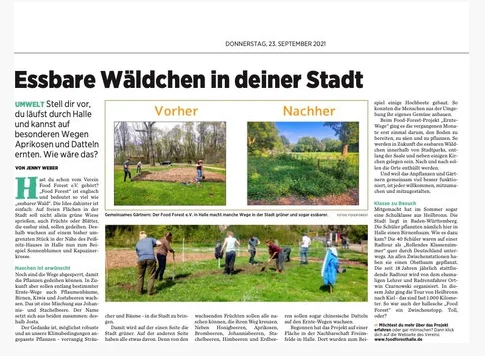
On the newspaper — the story reaches the press
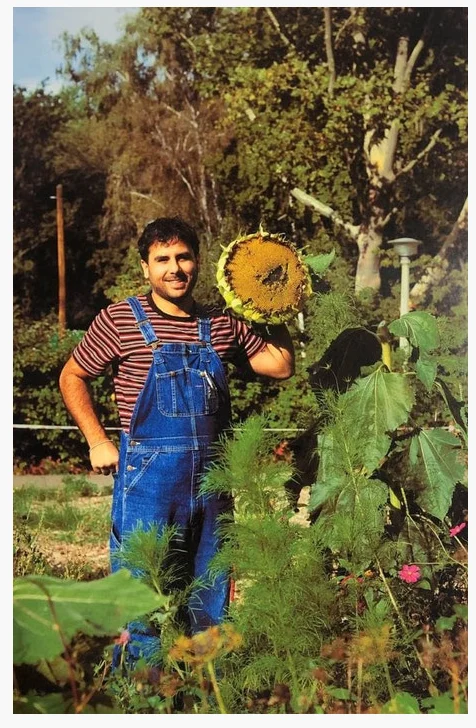
Halle (Saale)
Studies, cities, risk, practice, and the places where one chapter became the next
My first formal study of the mind gave language to the curiosity that has guided everything since.
After my bachelor's degree, I moved to New York. There I imagined public green spaces as edible, interactive, three-dimensional canvases shared by everyone.
A friend gave me the keys to a piece of land in Nemi. The experiment worked, until theft and a lack of money forced me to begin again.
I moved to Germany and, within weeks, found the opportunity to present the work in Halle. The project on Landsberger Strasse became the beginning of Foodforest Halle.
I completed my Master's in Forensic Psychology in Rome while already living and working in Germany, travelling by plane to finish the degree. In 2018, I opened my private practice.
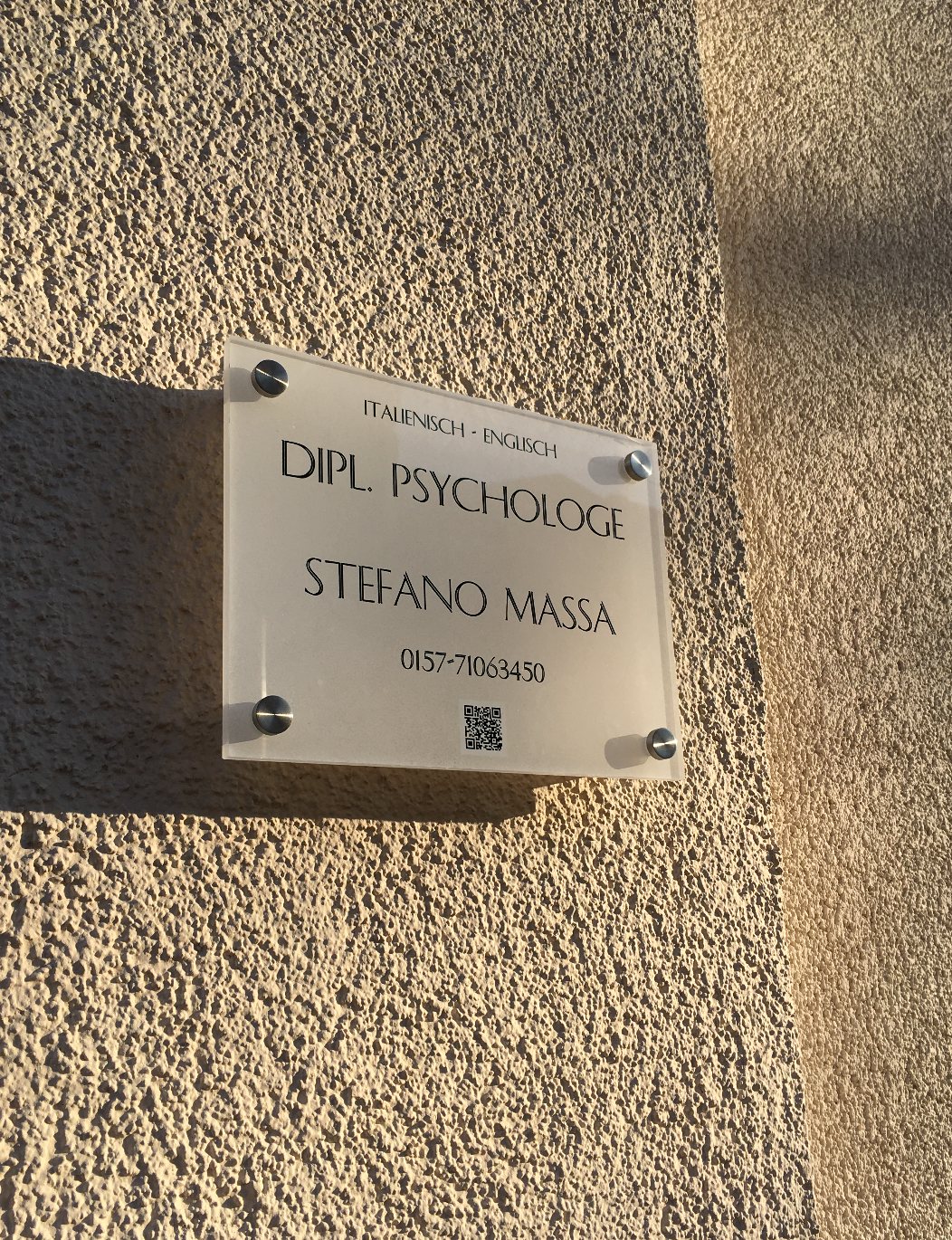
I travelled again to study EMDR psychotherapy in my native language while continuing to live and work in Germany. I have worked privately ever since.
My second Master's explores the biological systems beneath behaviour, memory, emotion, and healing.
My next chapter brings the clinical and neuroscientific strands together — the only degree in this timeline with a projected completion date.
My wife and I bought an abandoned borgata in the heart of Val Chisone. This time, we are restoring it as a business — a living place with an economic future, not a charity.
Seven years of planting seeds — in the ground and in young minds
The charity exists to bring permaculture and food foresting education to children, schools, and communities across Halle (Saale) and Saxony-Anhalt. What began as a few raised beds on Landsberger Str. 6 has grown into Foodforest Halle e.V., a registered non-profit that turns schoolyards, shelters, and public parks into living, edible ecosystems. Every raised bed, every school partnership, and every consultation is aimed at one thing: reconnecting people with the earth, and with each other.
Our first garden was a neglected patch of land at Landsberger Str. 6, in the middle of Halle's artistic quarter — a street of studios, galleries, and old workshops. We cleared the ground and built our first raised beds, log-walled hügelkultur mounds layered with branches, straw, and soil, then planted them in careful companionships so each plant supported the next. It was a small, stubborn act of optimism in a forgotten corner of the city.
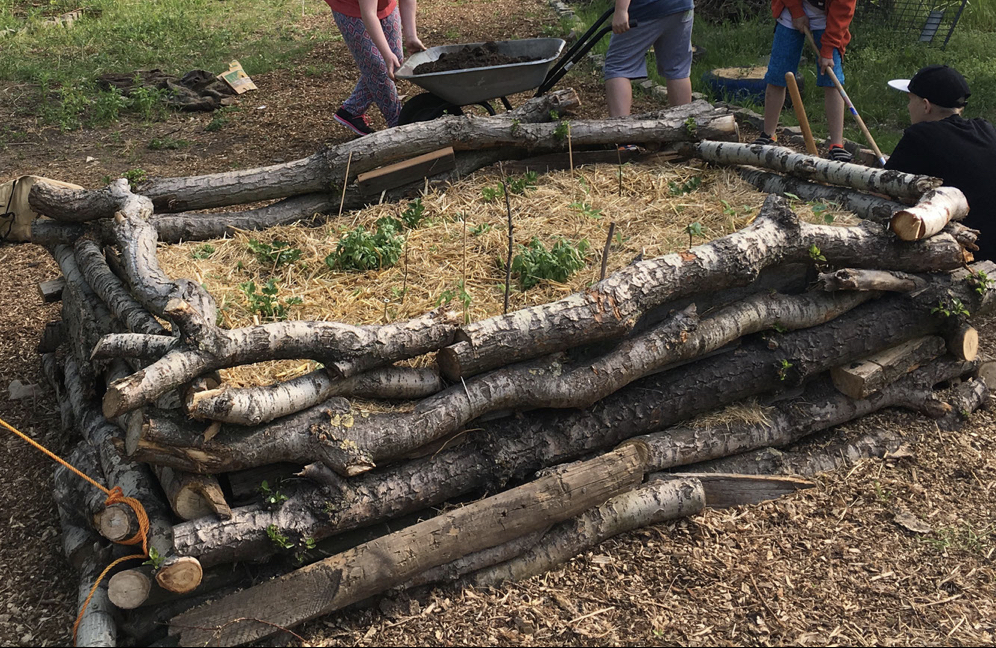
Two partners changed everything that year. The Montag Stiftung believed in building public space with the people who use it, and the Freiraumgalerie had spent years turning Halle's empty lots into places full of art and life. With their support, we officially registered as Foodforest Halle e.V. — a real non-profit, with a real name and a growing purpose.
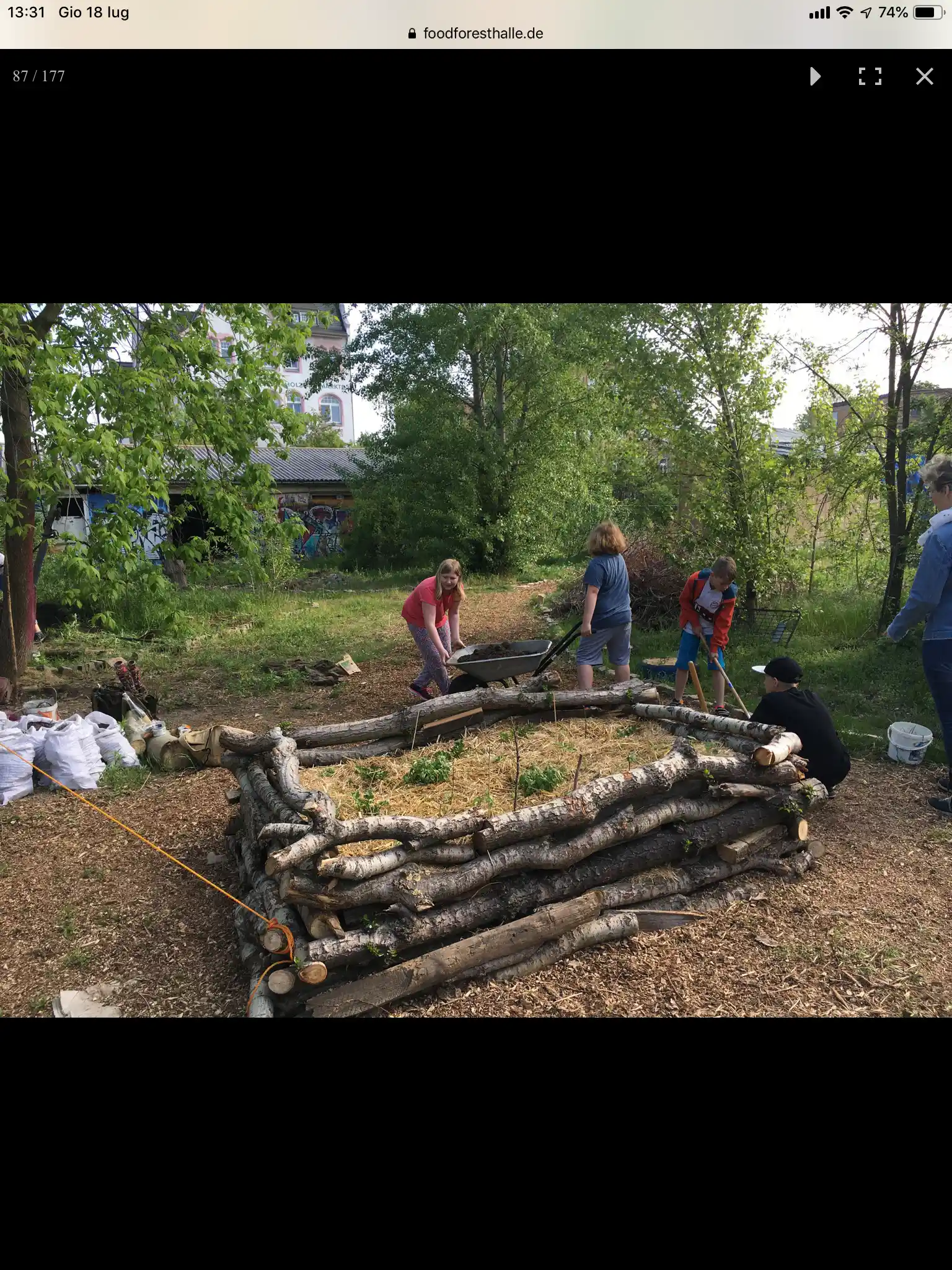
With registration behind us, the garden stopped being an experiment and became an institution. We opened the beds to neighbors, hosted weekend work days, and watched the first harvests travel from soil to shared table. The community around Landsberger Str. grew the way a food forest does — slowly at first, then all at once.
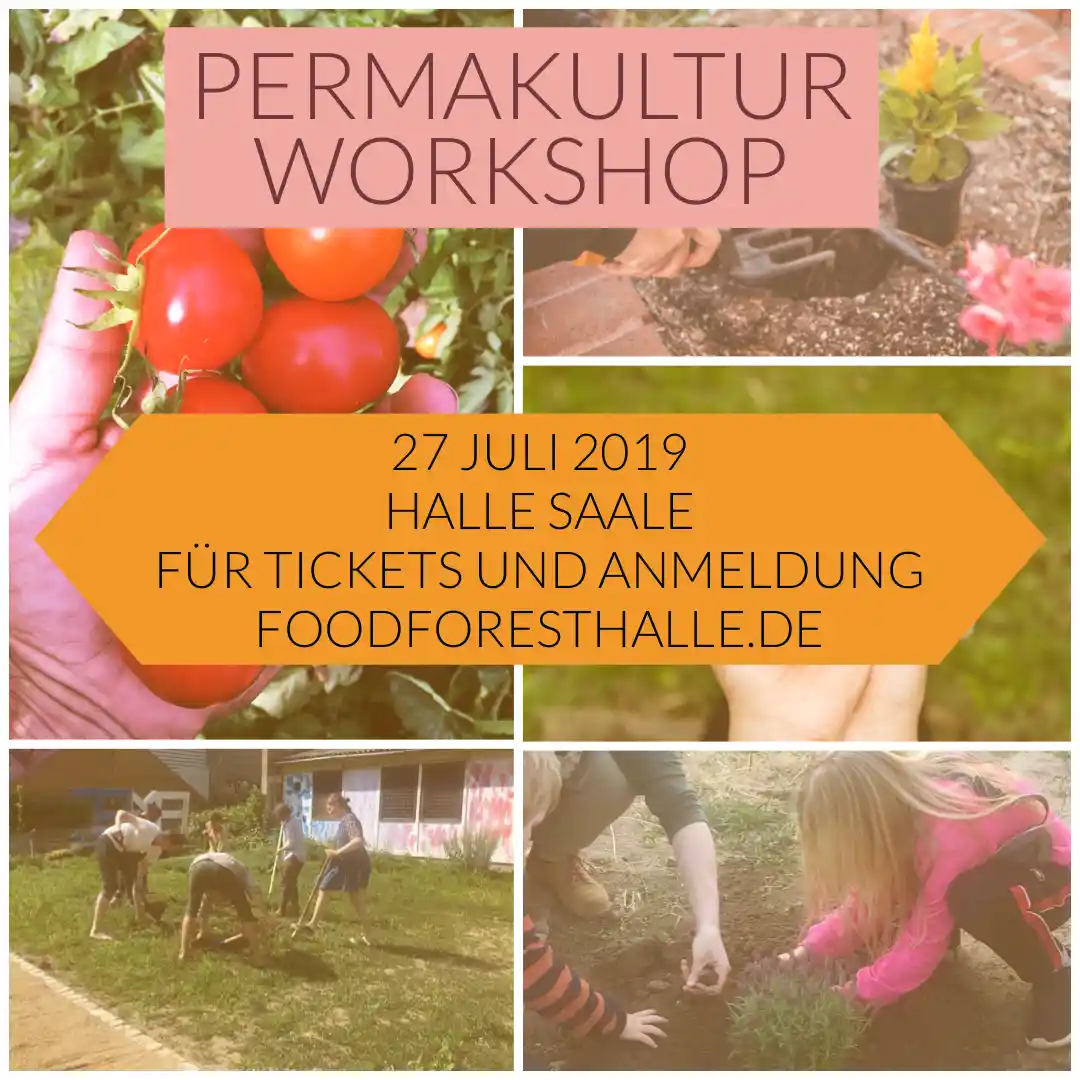
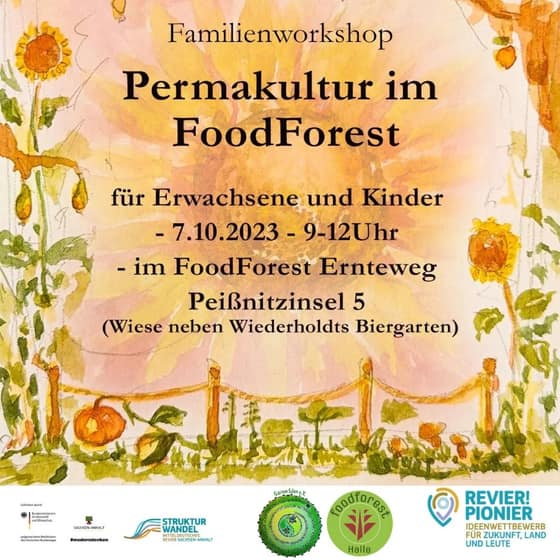
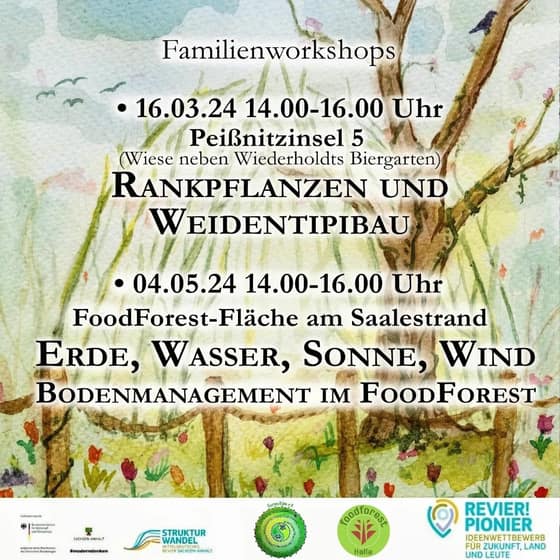
By now the rhythm of the garden had become the rhythm of the year — planting in spring, tending through summer, harvesting in autumn, and dreaming through winter. On 27 July 2019 we ran our first public Permakultur Workshop in Halle (Saale), opening the garden to anyone who wanted to learn. Volunteers came and went, and a small, loyal core began to think seriously about where we could grow next.
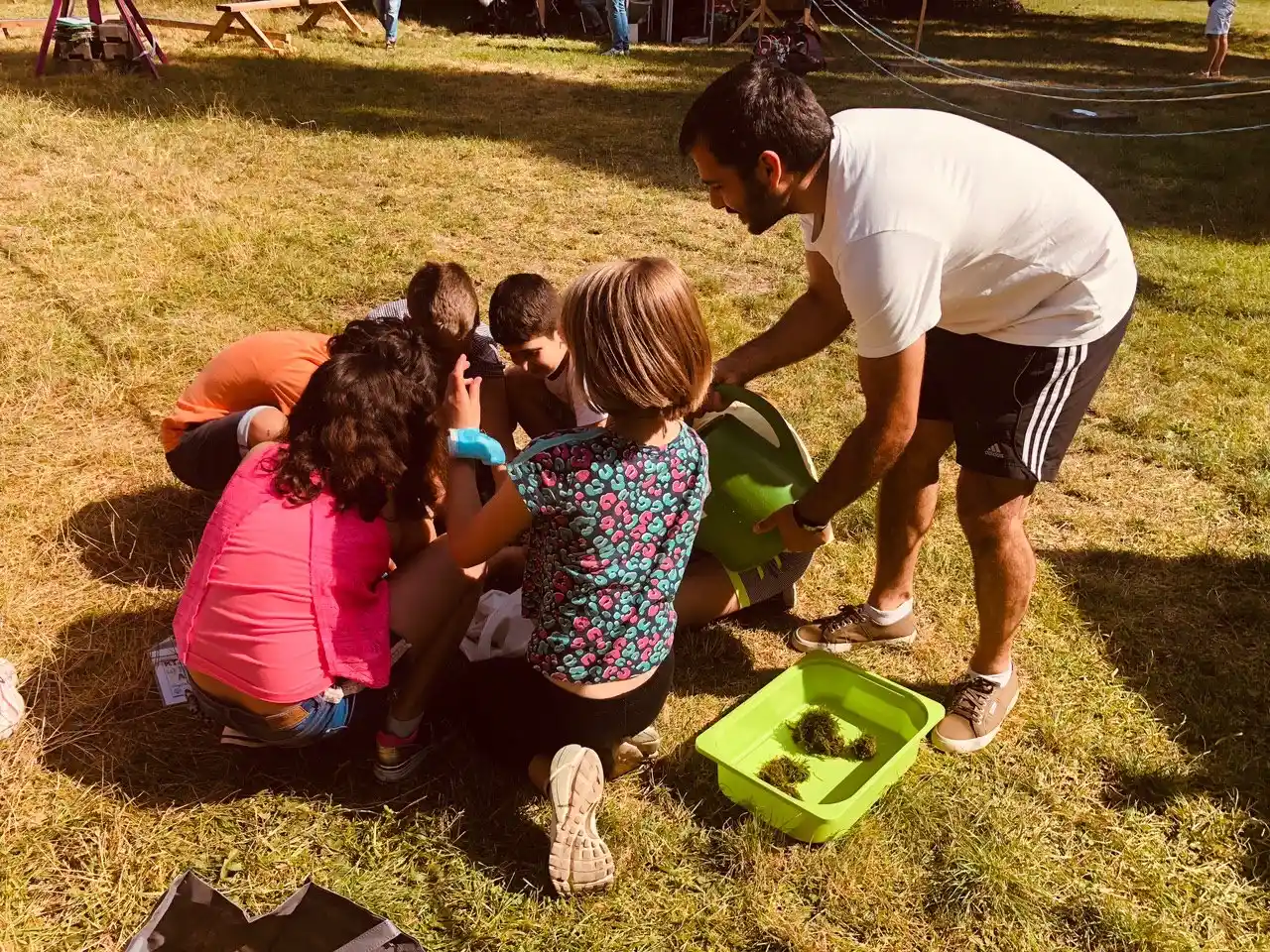
When the pandemic arrived, the world slowed down — and we kept our hands busy. We were invited to the Tierheim, Halle's animal shelter, to consult on turning its grounds into something greener and more alive. It was quieter work: patient, careful, and mostly outdoors, at a time when being outdoors together was one of the few safe things left.
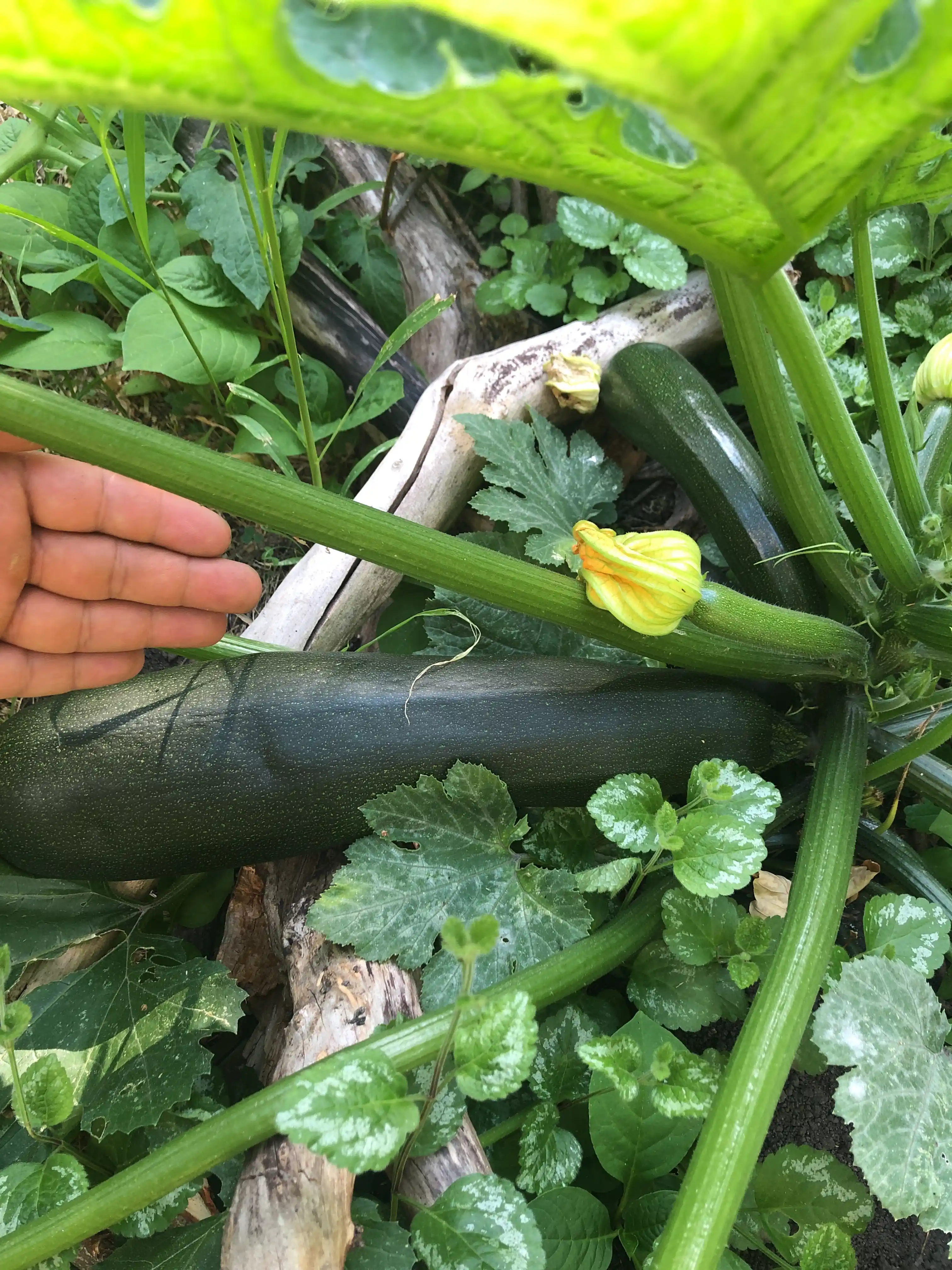
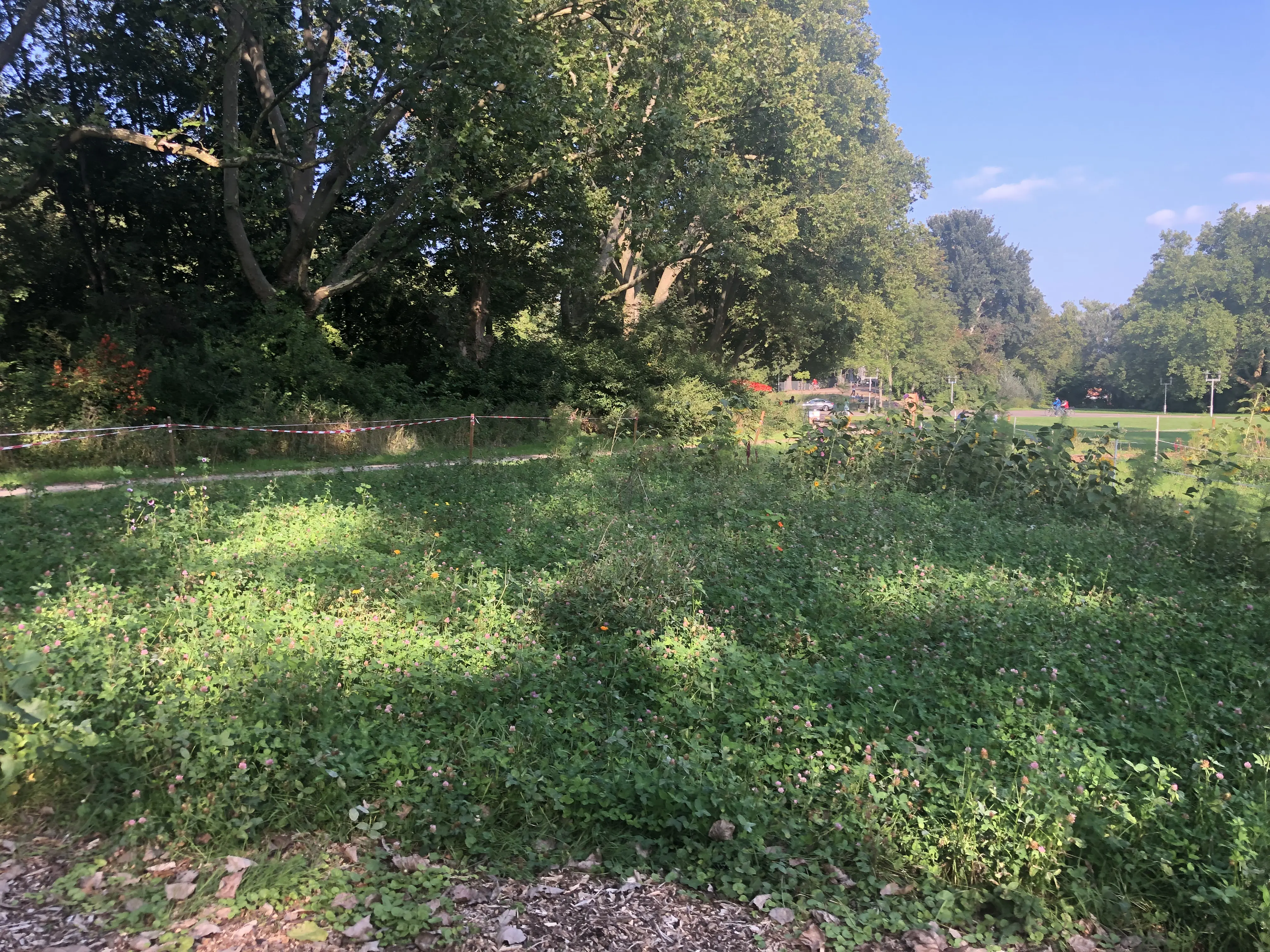
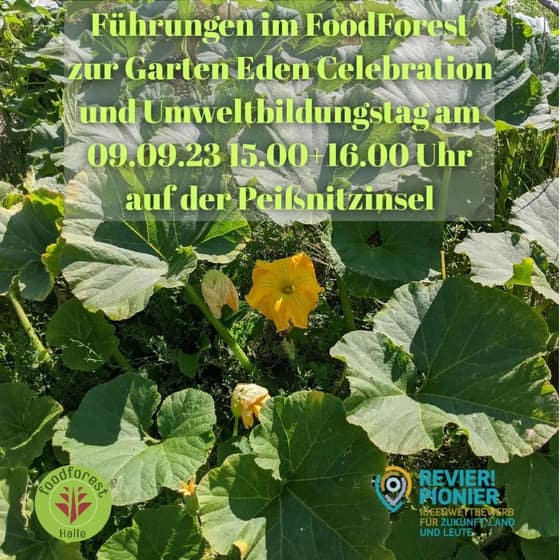
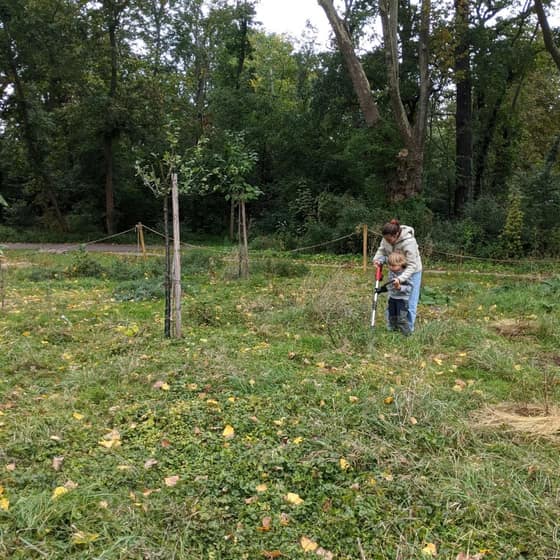
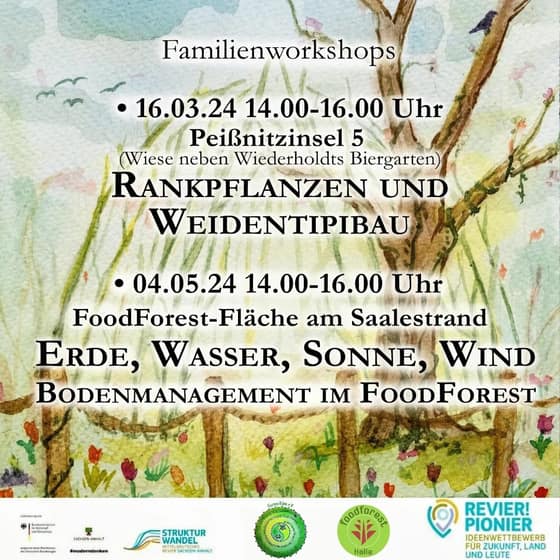
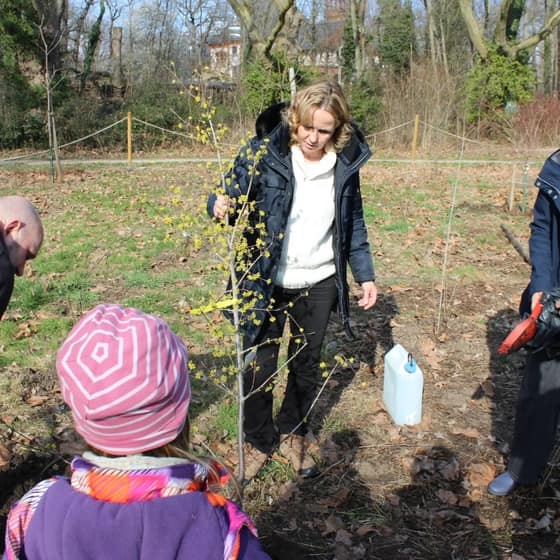
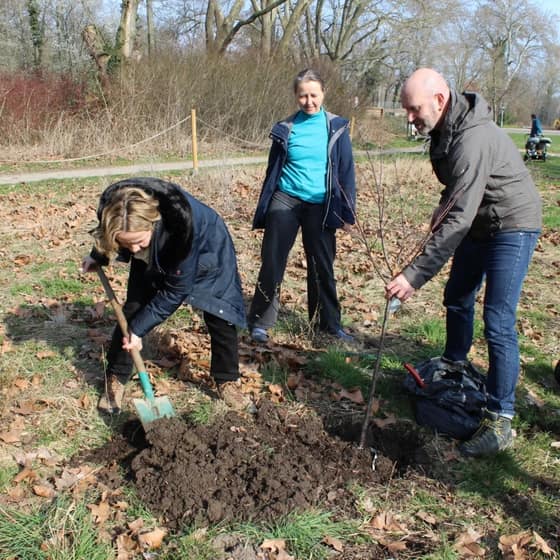
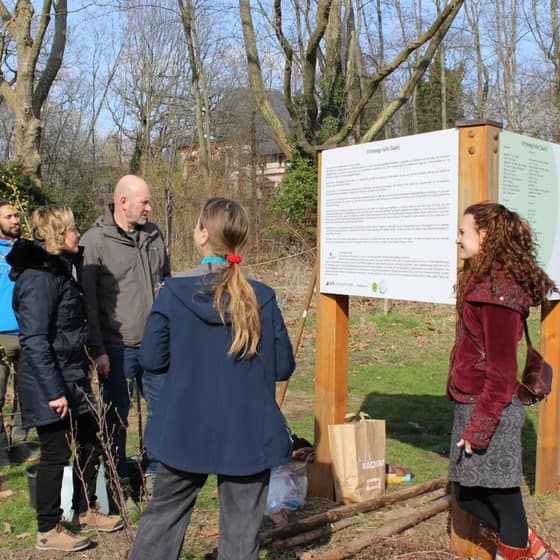
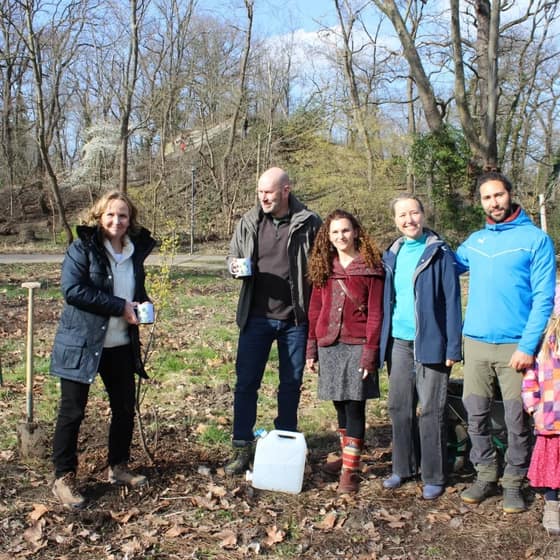
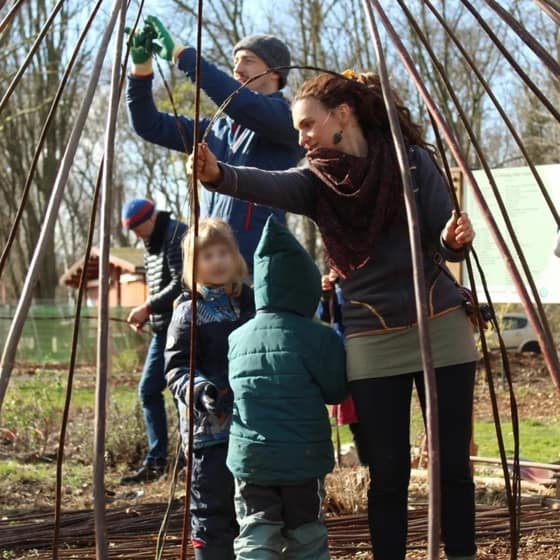
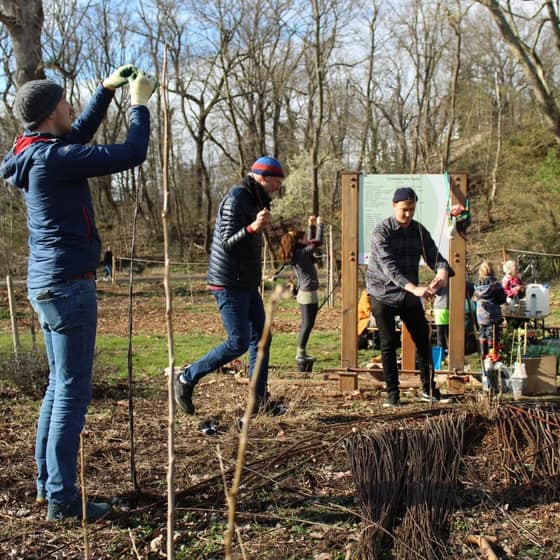
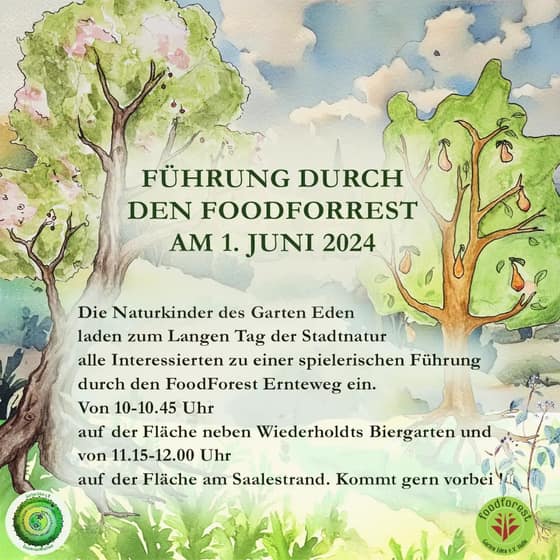
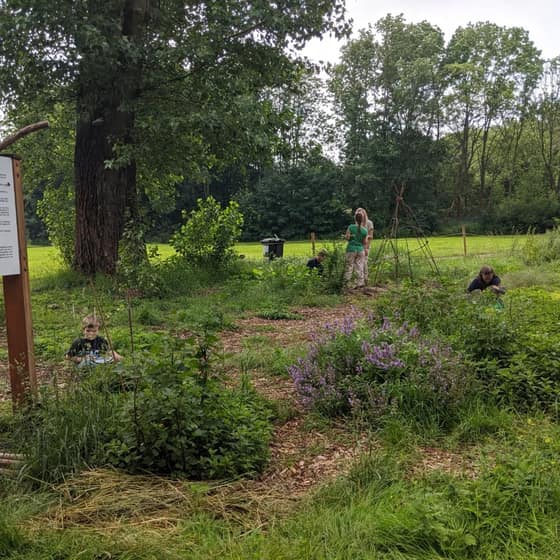
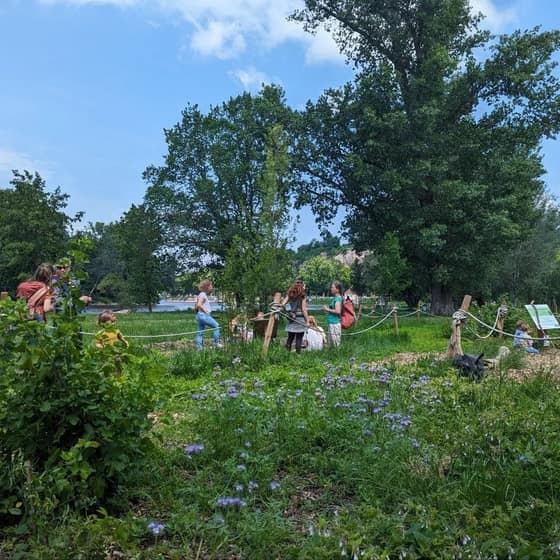
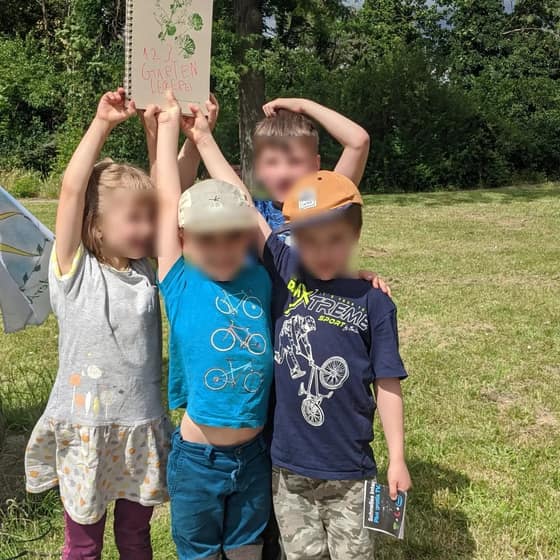
After years of borrowing corners and courtyards, we finally secured public land in Peißnitz Park, in the green heart of Halle (Saale). Schools and neighbors joined us there, and everything changed gear. What had been a handful of raised beds became a real public food forest — planted, tended, and shared by the community itself.
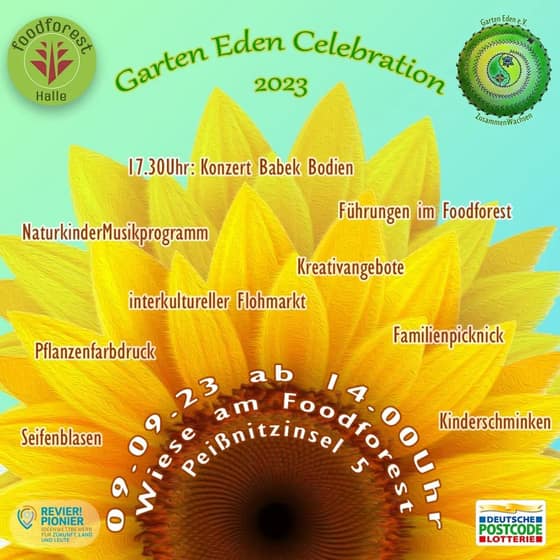
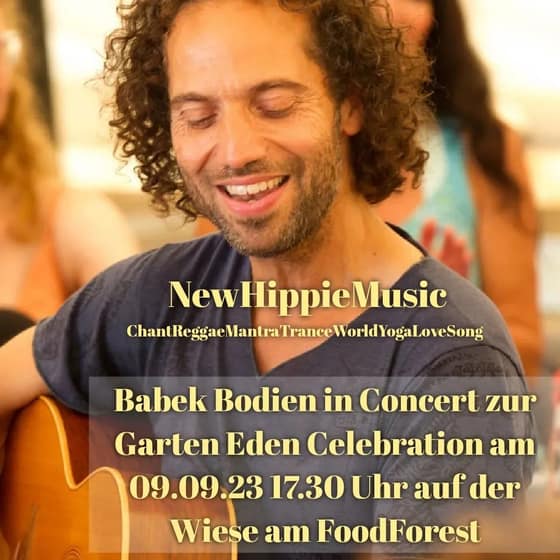
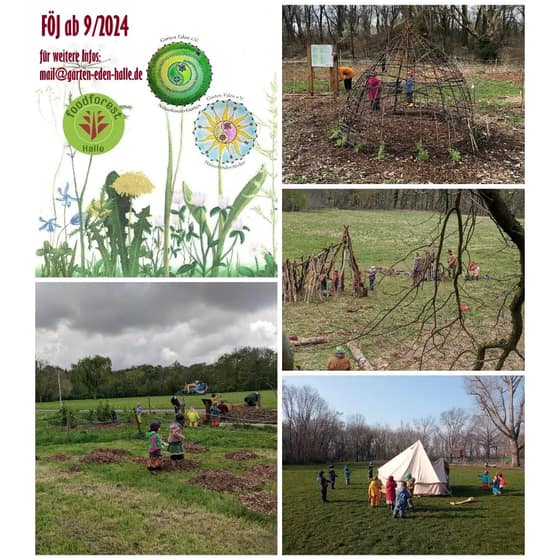
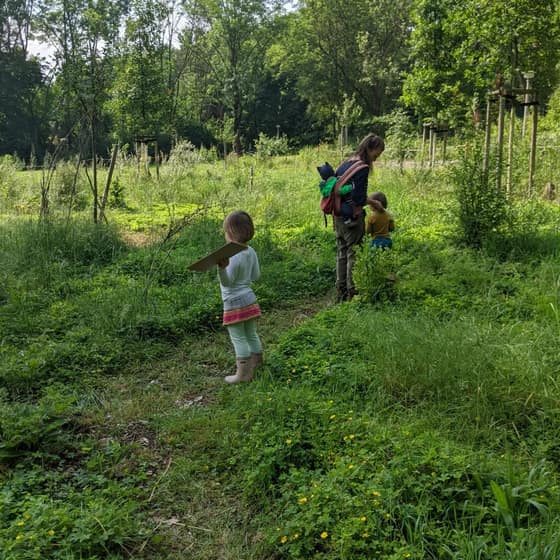
We formed a partnership with Garten Eden, a kindergarten whose children now grow their own food alongside their very first lessons. Between the schoolyards, the park, and the kindergarten, the forest was no longer one place — it was a network of small green worlds, all teaching the same lesson: that food is something we can grow together.
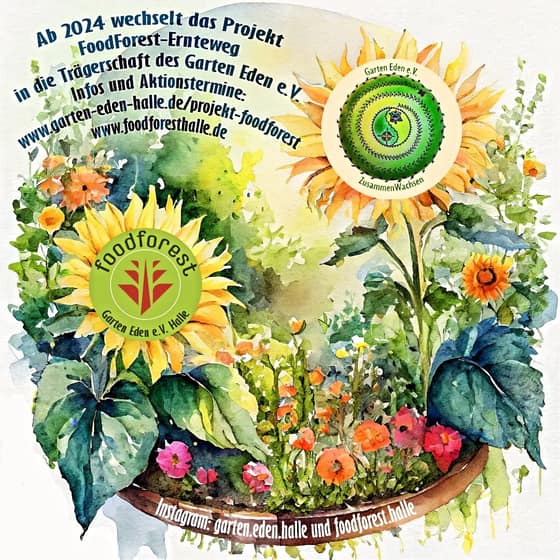
In 2023, we did the thing we had always been working toward: we merged everything — the gardens, the partnerships, the programs — and gave the whole project back to the community that had always been its true owner. Foodforest Halle e.V. now belongs to the people who grow it. That was the harvest we were really after all along.
Designing edible ecosystems that feed people and heal the planet
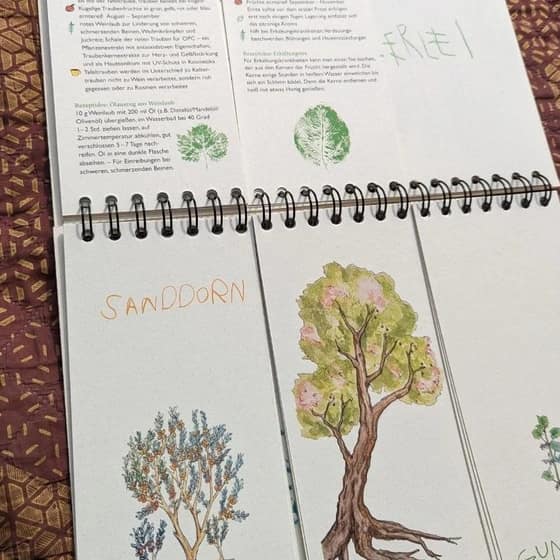
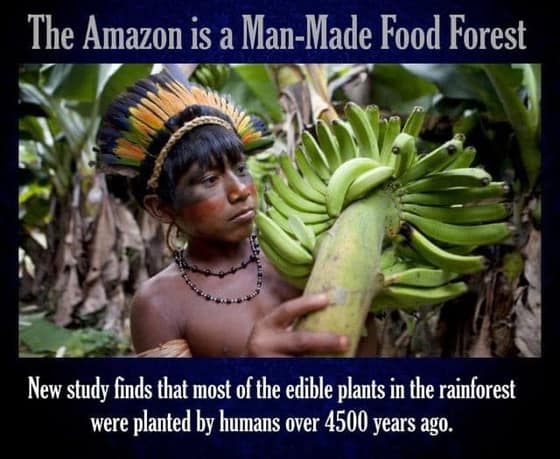
A food forest is a designed ecosystem that works the way a natural forest does — but everything in it is there to feed us. It grows in seven layers: tall canopy trees like walnuts and chestnuts, smaller fruit trees, berry shrubs, herbs and vegetables, creeping ground cover, root crops, and climbing vines like grapes and kiwi. Each layer occupies a different slice of sky and soil, so the system produces far more than a conventional field of the same size. And unlike industrial agriculture, a food forest doesn't fight nature — it collaborates with it. Once established, it needs very little maintenance, its soil grows richer every year, and biodiversity simply explodes. It is, quite literally, abundance by design.
From towering nut trees to creeping ground cover, a food forest stacks productivity in vertical space. Every layer has a role, and together they create a self-sustaining system that produces food for decades.
Food forests build topsoil, sequester carbon, filter water, and create habitat for pollinators and wildlife. They don't just take from the land — they give back more than they receive.
A food forest is a gathering place. It's where neighbors share harvests, children learn where food comes from, and communities rebuild their relationship with the natural world.
Where the two roots of my life — psychology and food forests — grow from the same heart
My work with children and communities taught me something I never expected to learn in a garden: how deeply nature affects the human mind. I watched anxious children calm down the moment their hands touched soil. I watched isolated older people find belonging around a shared harvest. But the mind had already been my subject long before the garden taught me its side of the story. I began in a Jungian institute, drawn to the depths — symbols, dreams, the stories we carry without knowing it. Then L'Aquila shook, literally. I survived the earthquake, and in the months that followed I trained inside the psychiatric hospital, sitting with people in the wreckage of their city and their minds. Nothing ever taught me more about trauma, or about resilience. That experience pulled me toward the measurable: through EMDR I found neuroscience, and through neuroscience I found my direction — clinical neuropsychology. Today I am convinced that neuropsychotherapy is where the future of mental health is headed: a practice where the talking cure and the brain finally speak the same language.
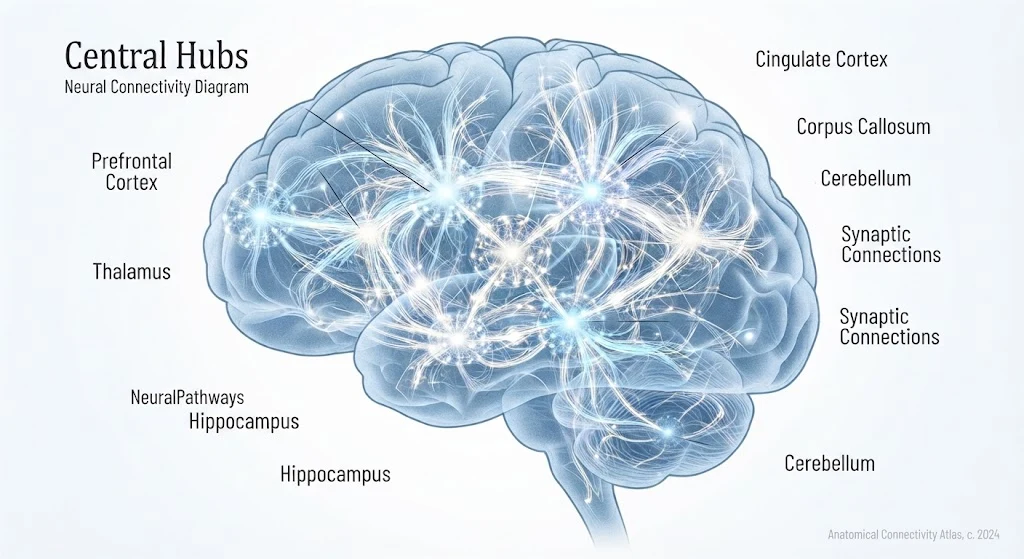
The mind, mapped — where clinical neuropsychology lives
The soil taught me patience. The trees taught me resilience. Psychology taught me that these aren't just metaphors — they're medicine.— From my journal, 2022
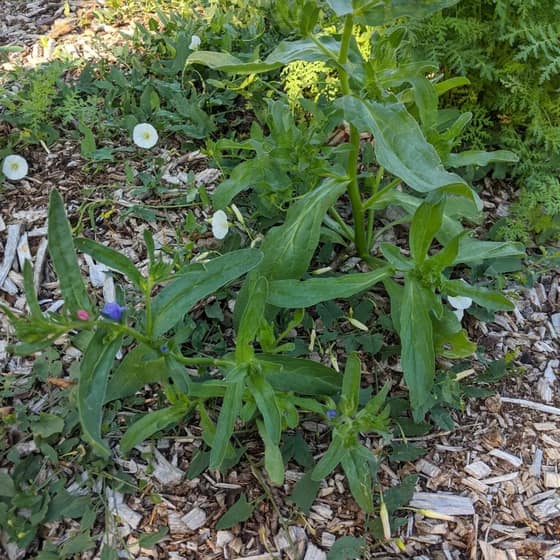
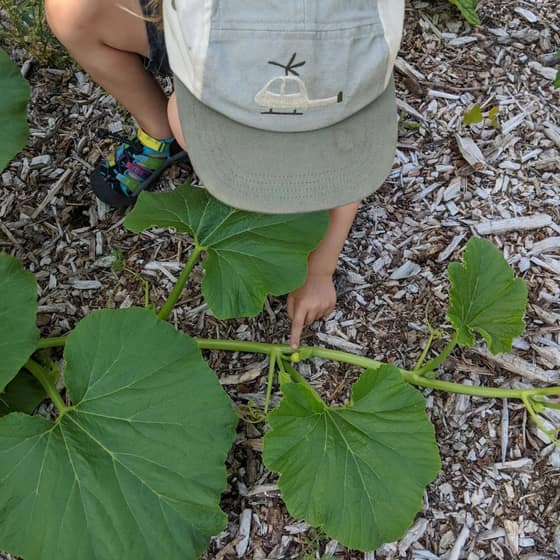
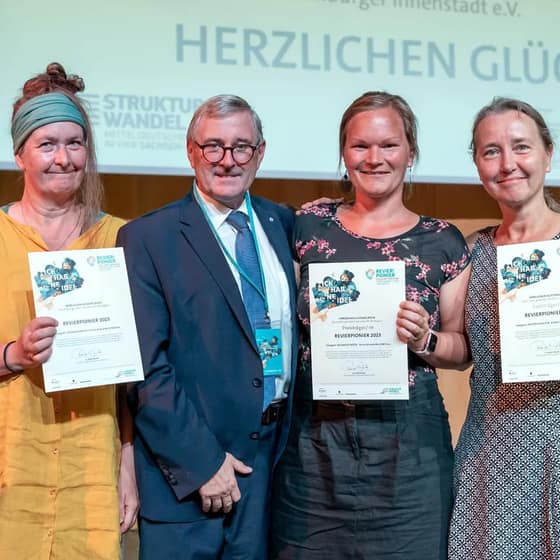
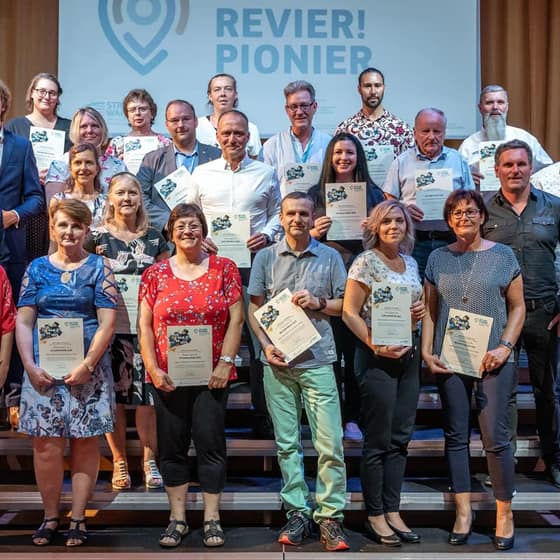
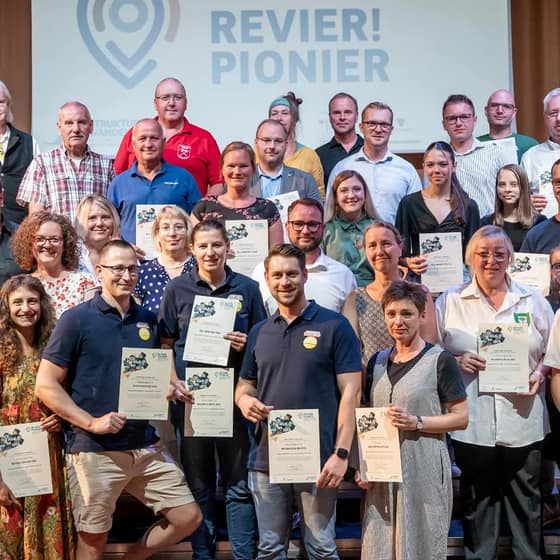
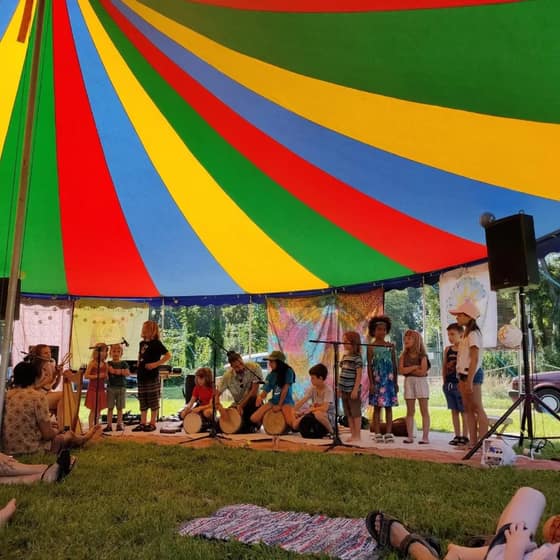
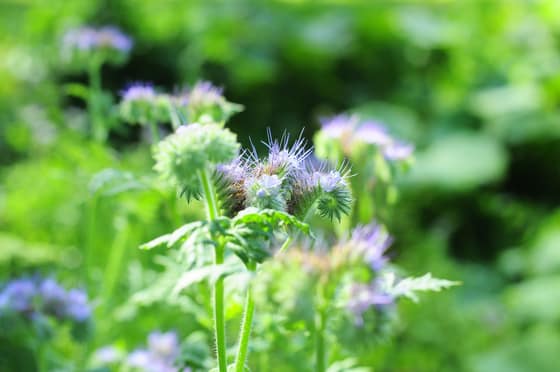
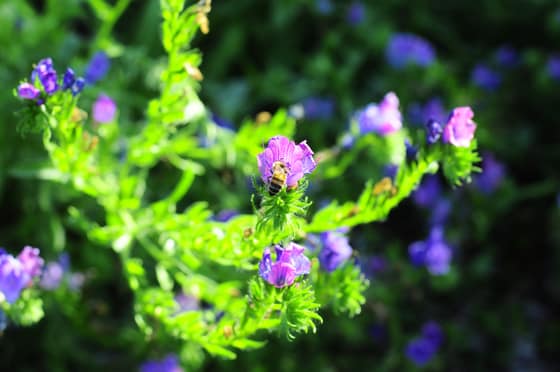
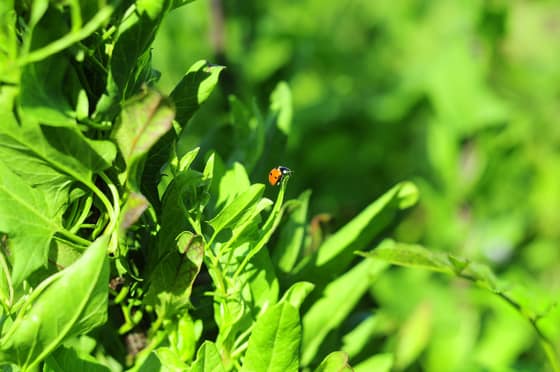
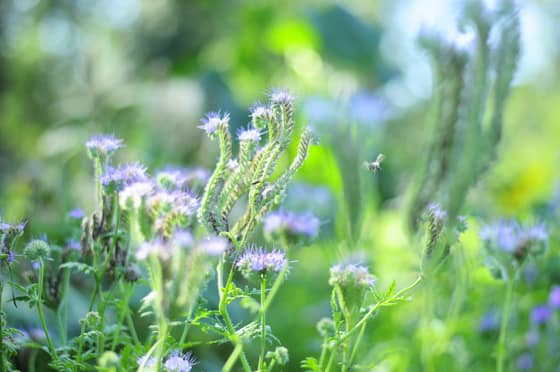
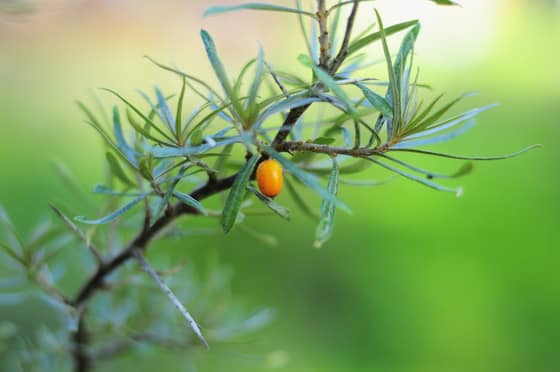
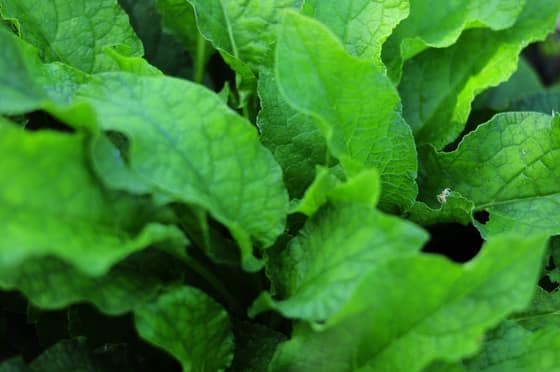
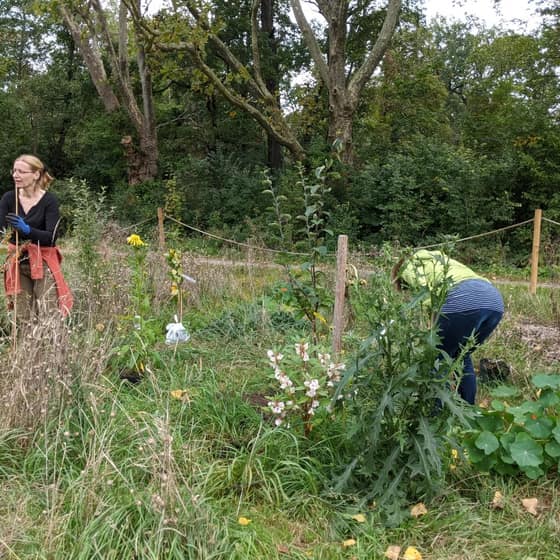
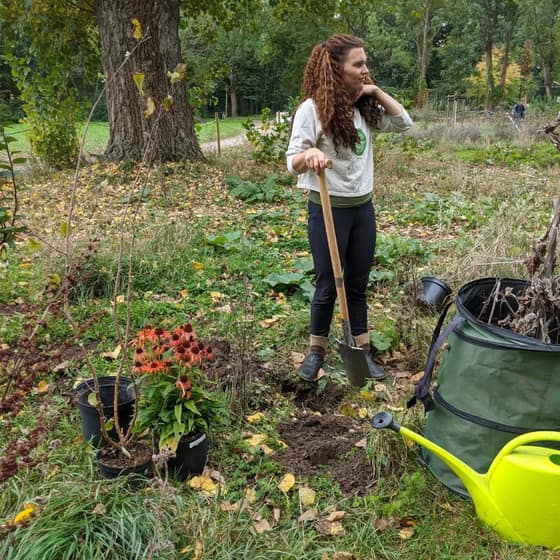
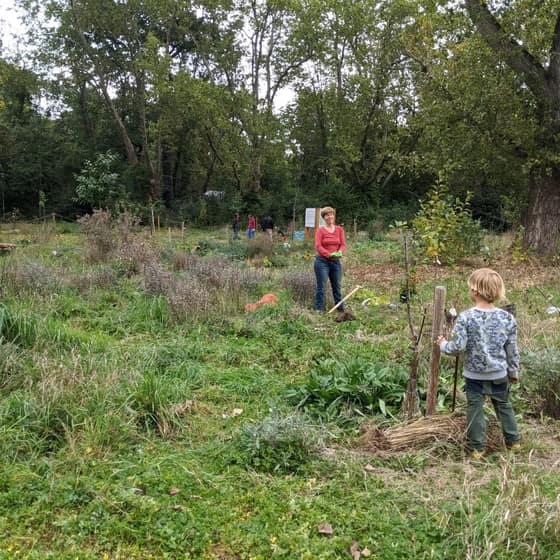
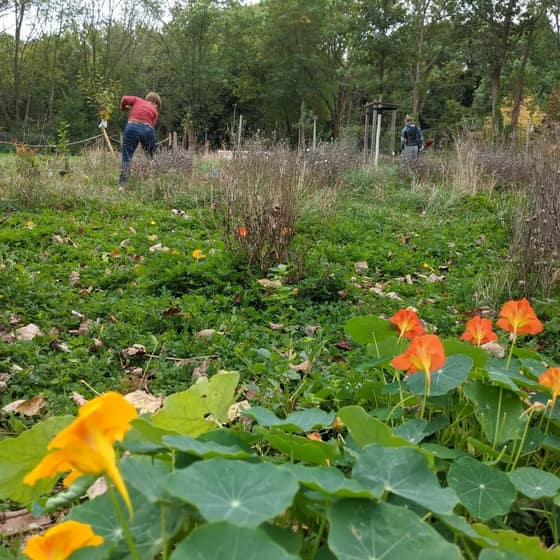
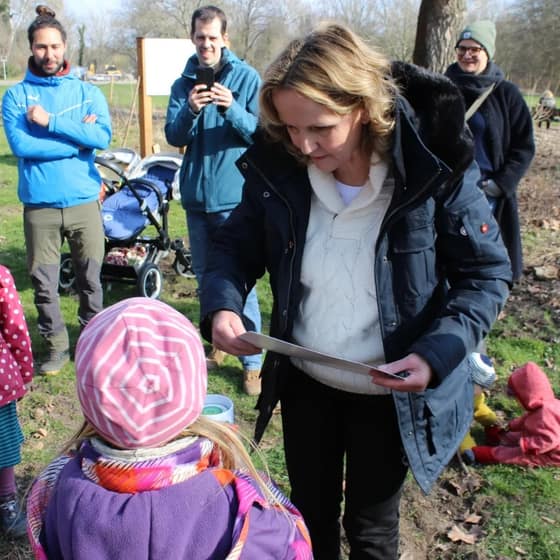
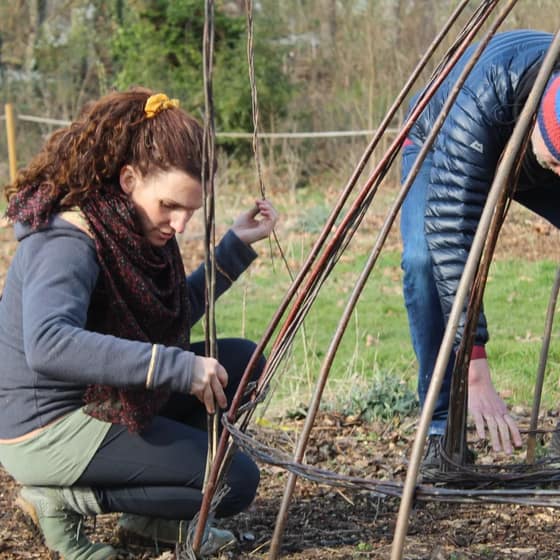
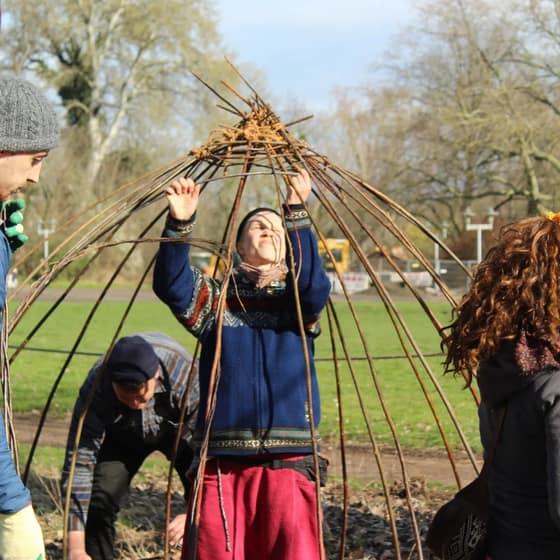
A visual journey through the gardens, the workshops, and the smiles
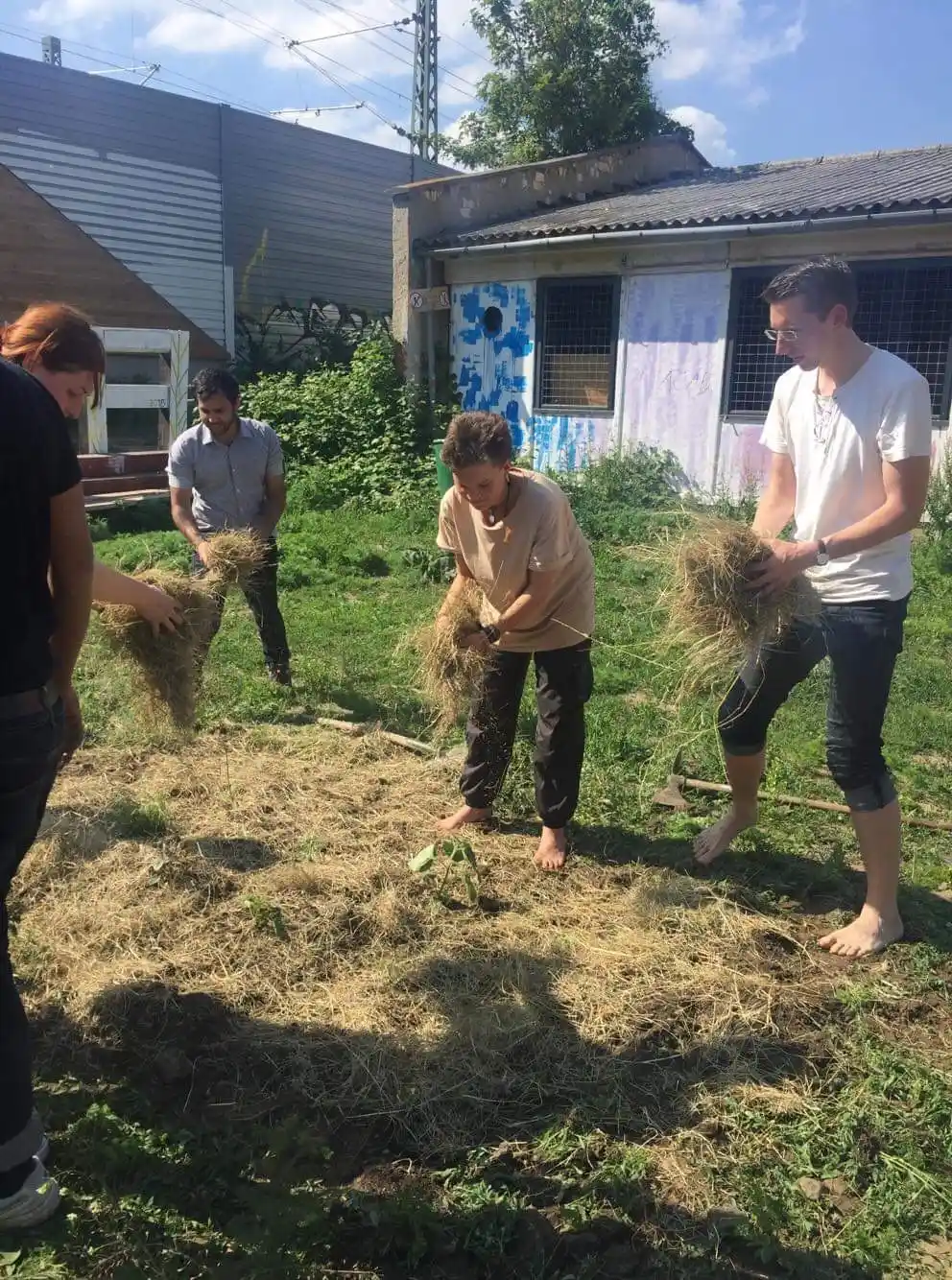
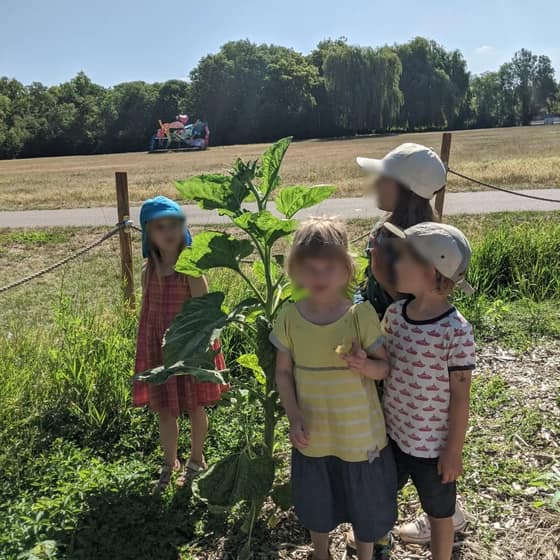
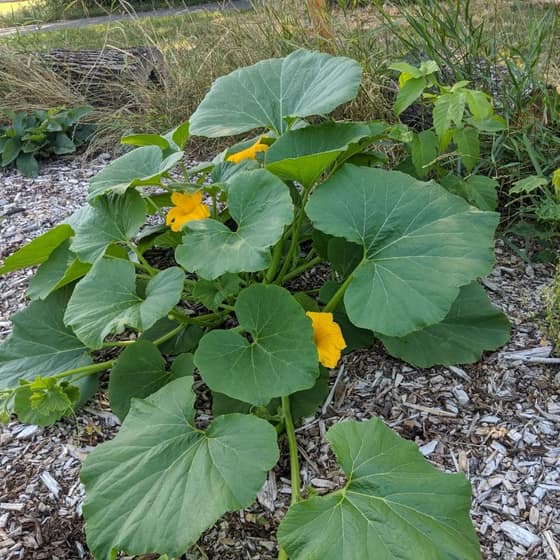
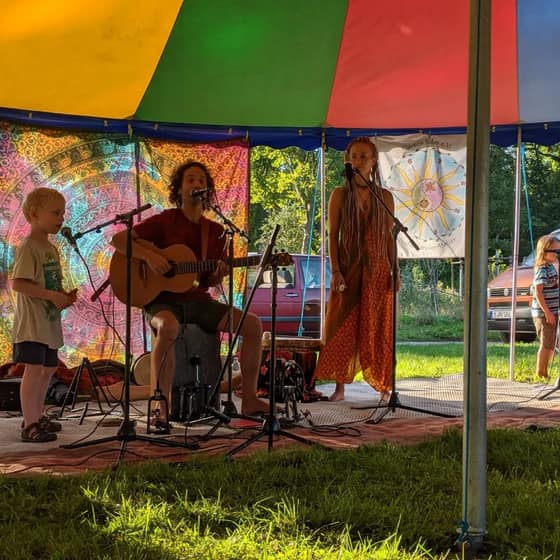
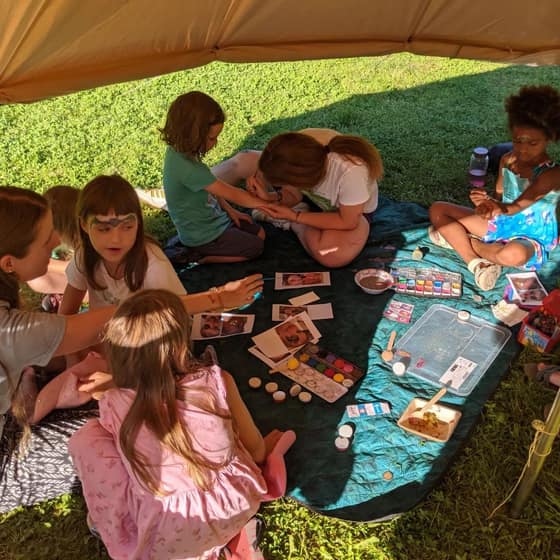
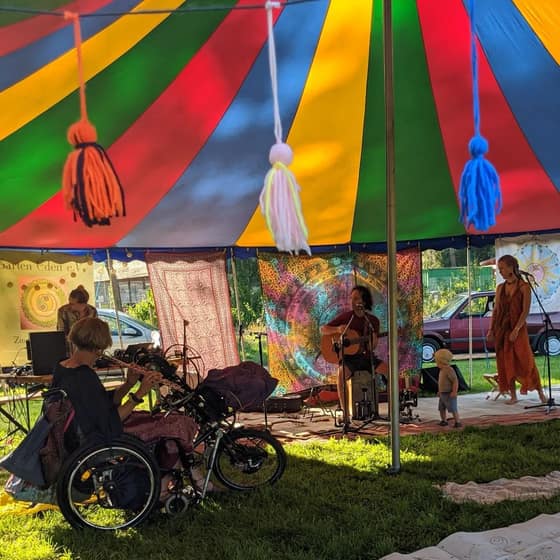
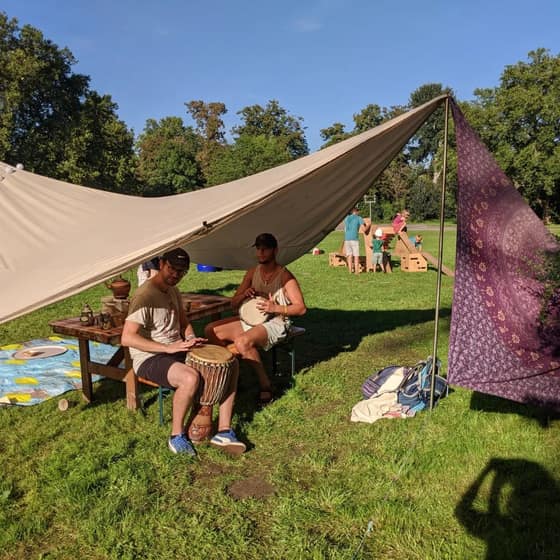
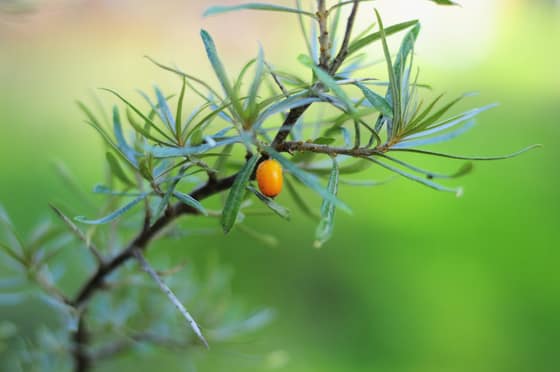
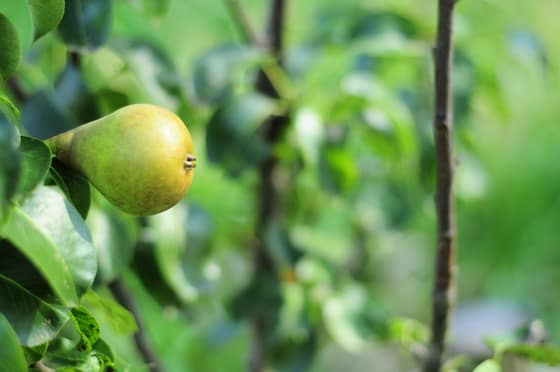
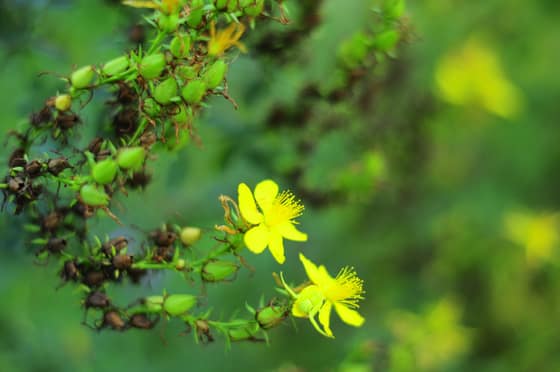
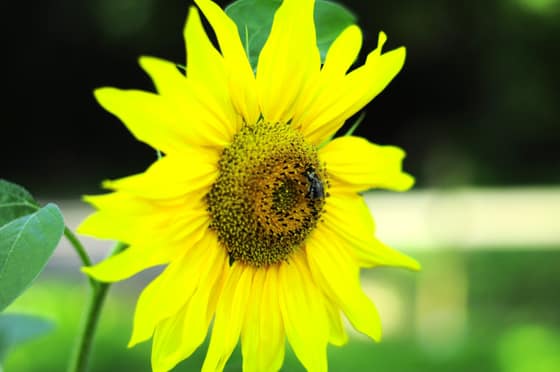
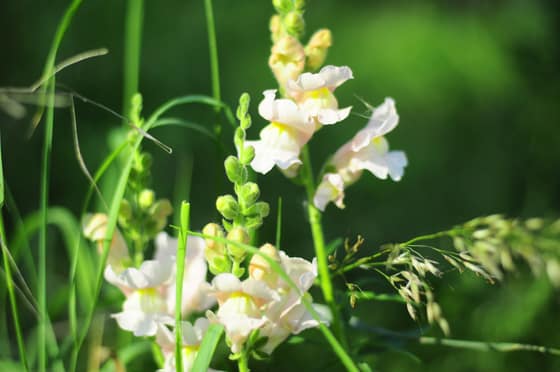
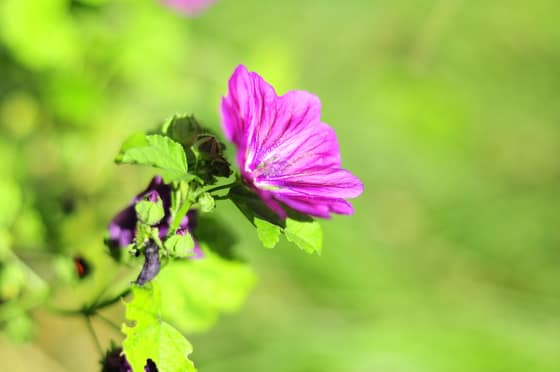
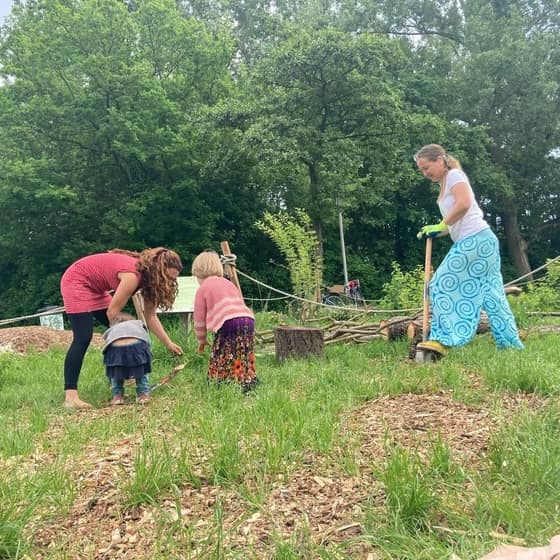
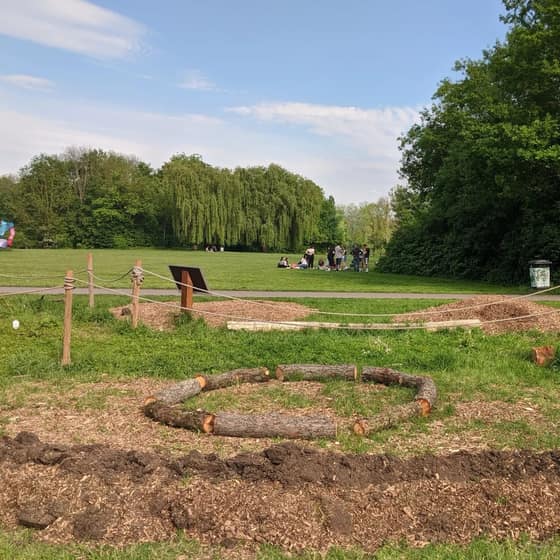
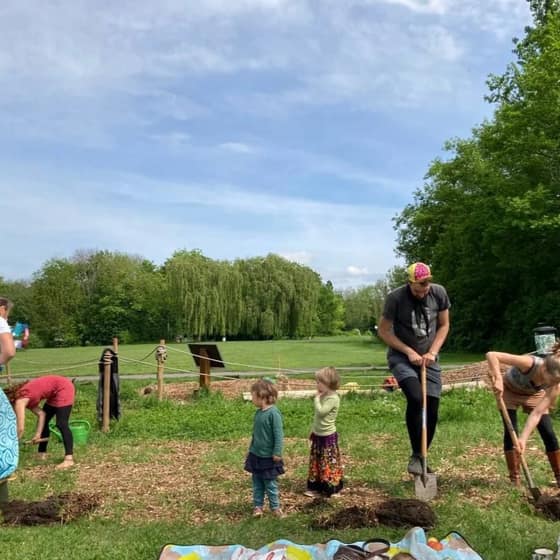
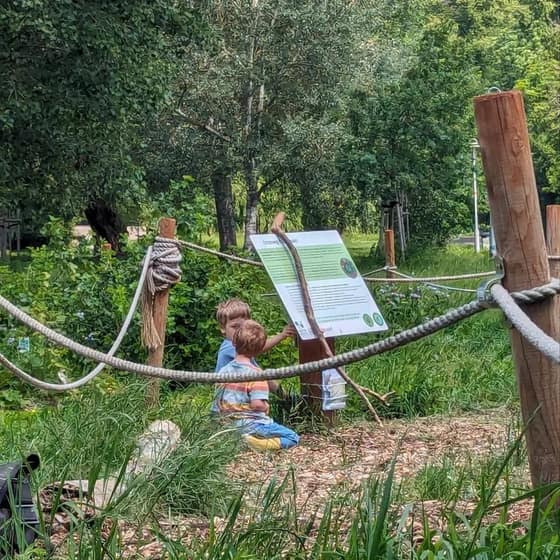
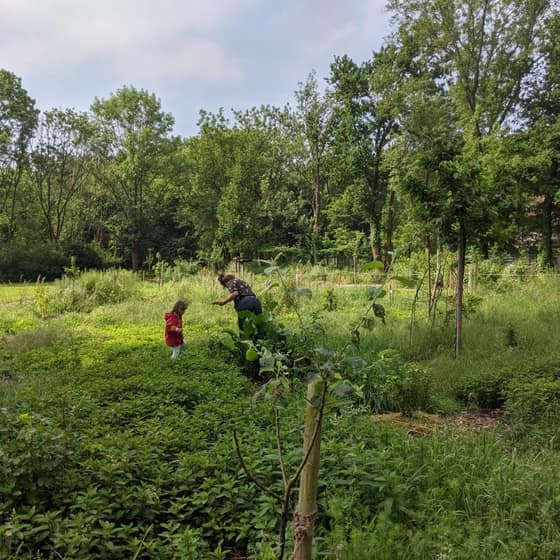
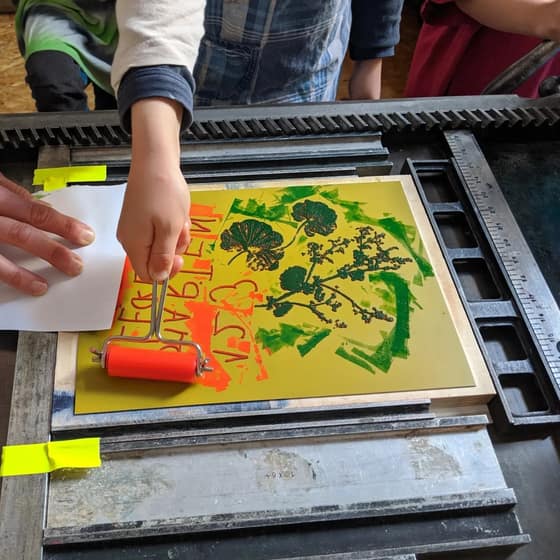
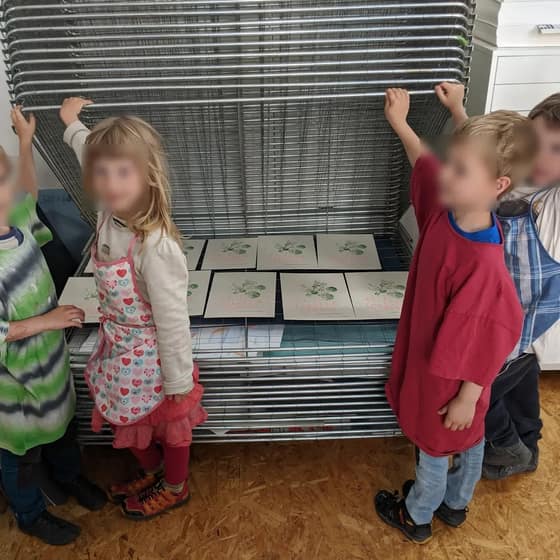
Ecosystems, nervous systems, financial systems — I study how all of them grow
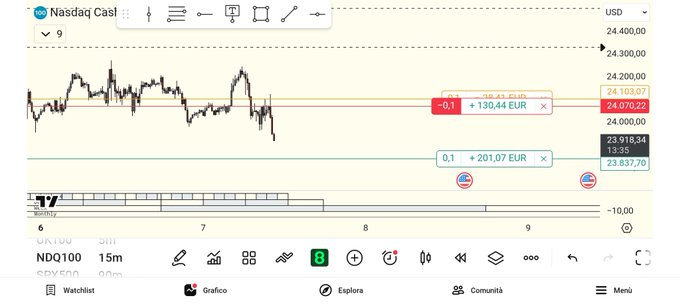
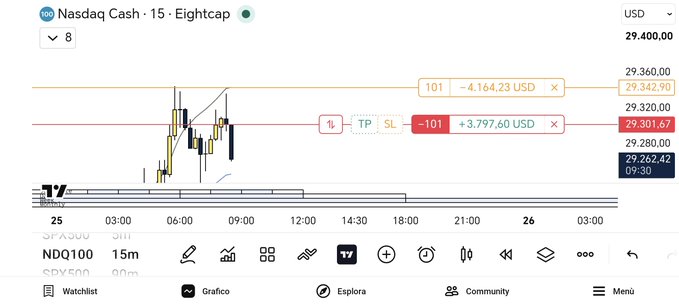
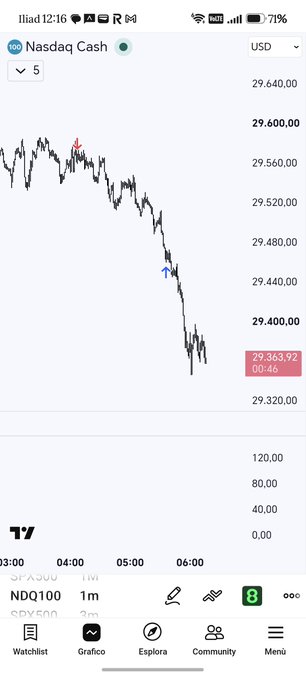
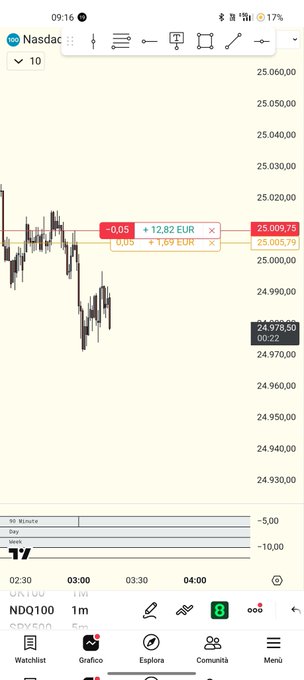
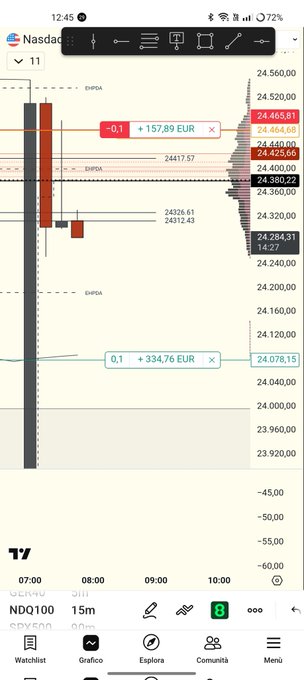
The same question that drew me to gardens and to psychology — how do living systems grow? — eventually led me to markets. I became fascinated by quantum trading, and I went further than watching: I wrote my own algorithm and coded a custom trading indicator from scratch, a tool that reads the market the way a food forest reads the seasons — in patterns, layers, and signals.
For a while I traded for a prop firm. Today I trade on my own terms — my own capital, my own rules, my own clock. It is the same discipline that runs through everything I do: observe, model, act with patience, and never risk what you cannot afford to lose.
Strategy is the thread that ties it all together — from leading a charity to managing projects to designing an algorithm. If there is a system, I want to understand it. If I understand it, I want to build something with it.
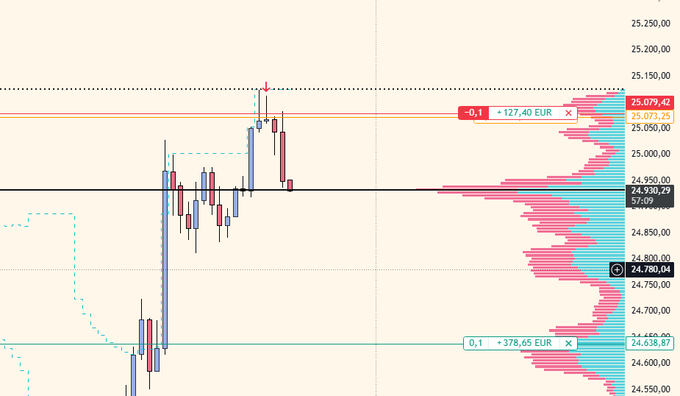 My indicator
 02
 03
 04
 05
 06
A growing visual record of the system behind the strategy — more detail will follow as the work develops.
Reading markets as living, layered systems.
A custom indicator, written line by line.
Trained on discipline, now trading on my own terms.
Three Mini MBAs, SAFe Scrum Master, project management — the craft of turning vision into plans.
The oldest language I speak — composing is how I listen to the world
Before the gardens, before the psychology, there was always music. Composing is my oldest way of making sense of things — patterns in time instead of patterns in soil. Mars Is Not An Option is my latest album, and it will not be the last.
Press play below — listen while you explore the rest of the story.
Psychology taught me how minds heal. Food foresting taught me how soil does. Music gave me rhythm, art gave me patience, trading taught me to stay still while everything moves. These were never hobbies collected along the way — they are one practice, seen from different angles: the study of growth, wherever it happens.
None of this makes me special. I simply do a lot of things, and I take them seriously. A forest, a mind, a market, a melody — each one rewards the same qualities. Attention. Time. Care. The humility to keep learning when it would be easier to assume you already know.
And I am still growing — still aiming higher than my last attempt. What you have seen here is the extent of what I do, not the limit of it. Everything on this page is a work in progress, in every sense, by someone who intends to keep it that way.
The view that keeps me going — our food forest at Peißnitz Park, sunrise
Whether you want to volunteer, collaborate, or just say hello — I'd love to hear from you.